


Ombudsperson for Academic Ethics and Procedures of the Republic of Lithuania
Curriculum Vitae Ombudsperson agendaOn August 16, the Summer School of the Latvian Young Scientists’ Association took place, with participation from Dr. Eglė Ozolinčiūtė, Senior Analyst at the Office of the Ombudsperson for Academic Ethics and Procedures of the Republic of Lithuania. She presented the Office’s experience in handling complaints, implementing preventive initiatives, providing consultations, and introduced the results of the 2024 Responsible Research Barometer.
Currently, Latvia does not have a national and autonomous institution dedicated to addressing issues related to academic ethics, conducting preventive activities, and providing consultations on a national scale. Therefore, Dr. Ozolinčiūtė encouraged Latvian colleagues to take the initiative and promote such institutional change that would transform academic culture not only within universities but also across society at large.
“Do not wait for society to change—initiate change by establishing an institution, and in doing so, promote transformation, perhaps starting with preventive measures. We promise to share Lithuania’s institutional experience should such knowledge be of use to you in the future,” emphasized Dr. Ozolinčiūtė.
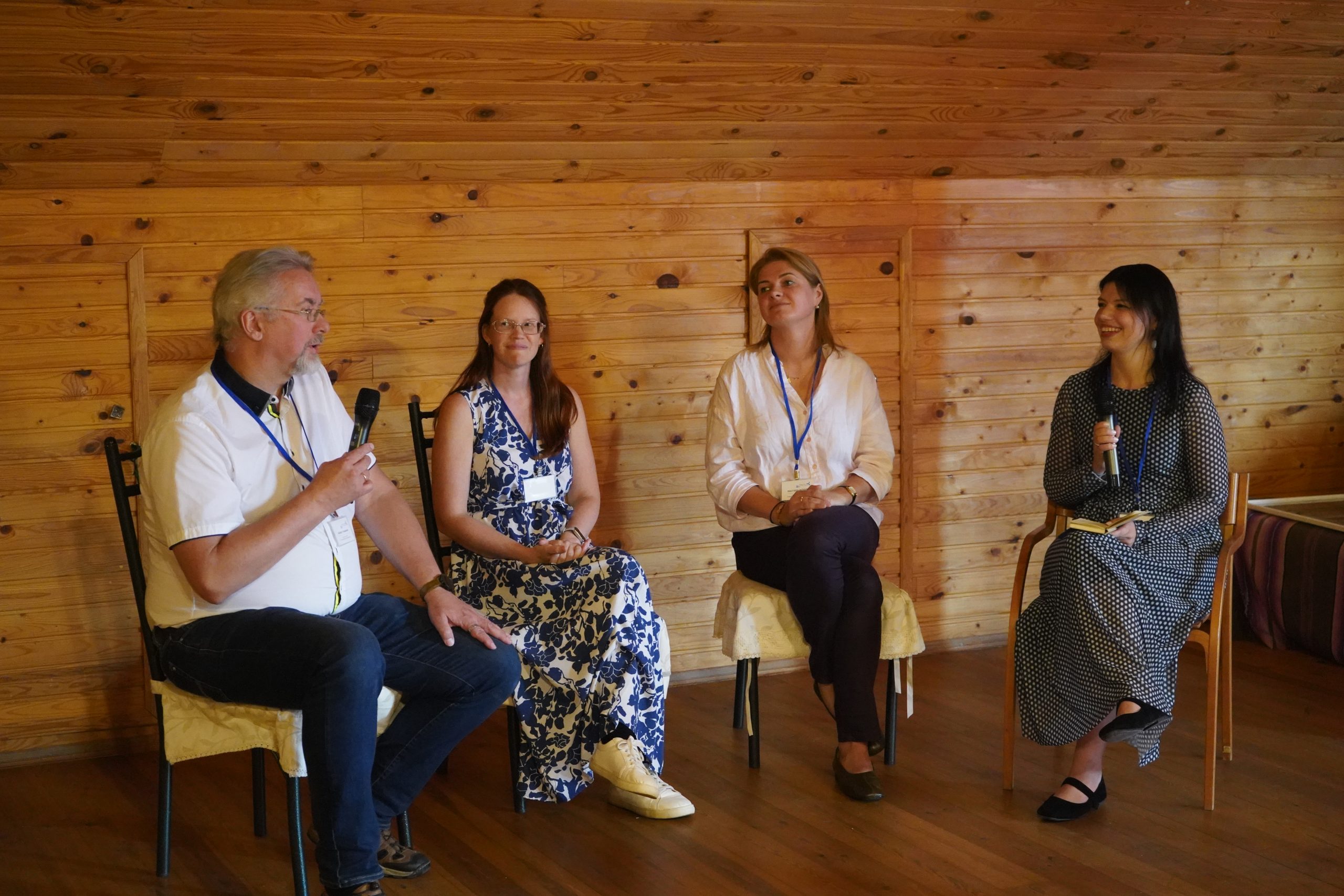
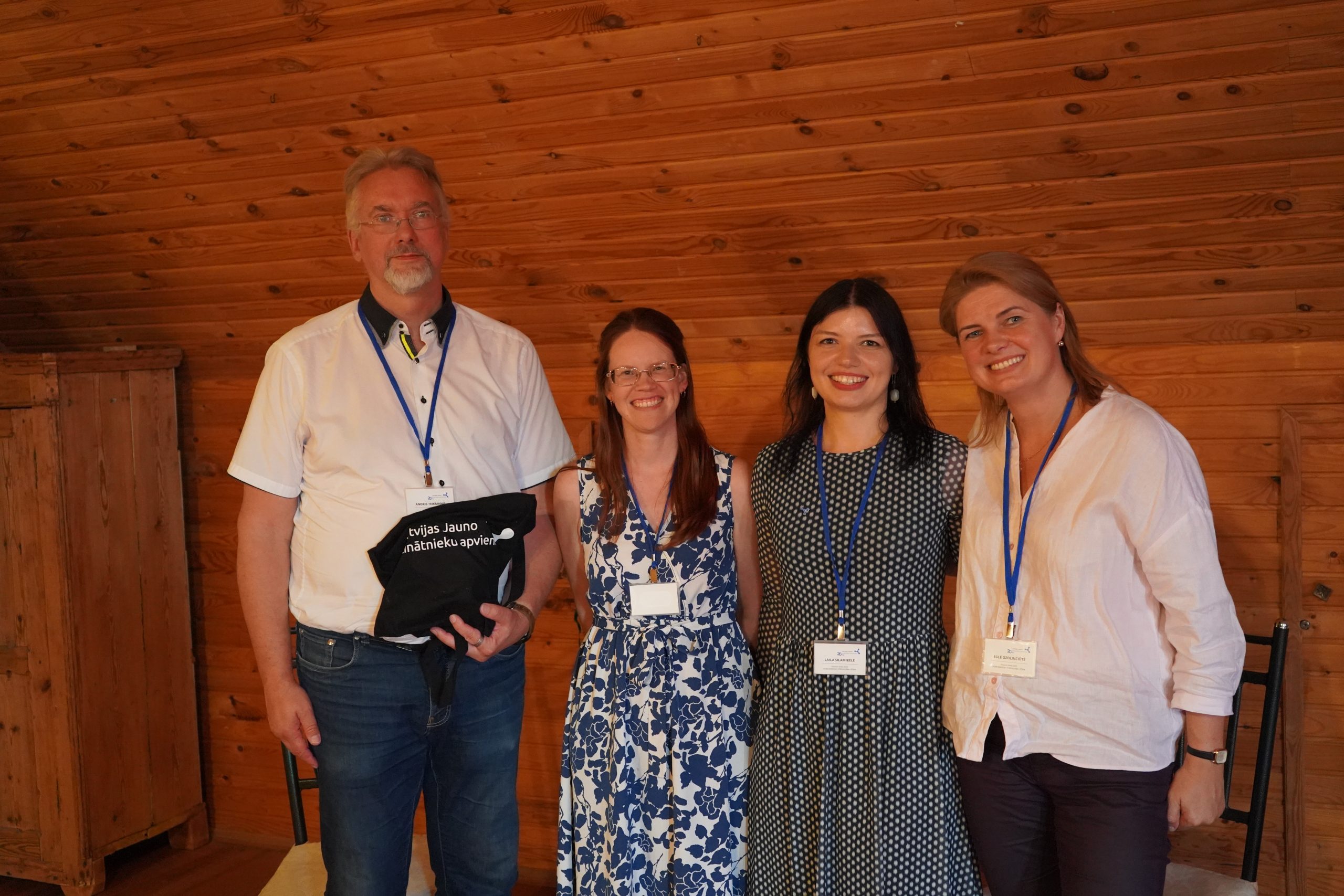
Following her presentation, Dr. Ozolinčiūtė joined the discussion “Trust in Science – European Ethical Standards and Latvia’s Path to Implementing Them” alongside Professor Andris Teikmanis (Professor at the Latvian Academy of Arts and Chair of the Higher Education Council) and Dr. Mari-Liisa Parder (Researcher at the University of Tartu Centre for Ethics). The conversation focused on the challenges and opportunities of academic integrity in the Baltic States and Europe, exchanging best practices and exploring ways to strengthen a transparent and trustworthy higher education environment. The discussion highlighted the balance between academic freedom and responsibility.
When addressing trust in science, it was noted that surveys show a high level of public trust, yet science communication remains an area in need of strengthening. To this end, the Office is currently developing Science Communication Guidelines as a supporting tool to ensure the proper transfer of scientific information to society. Experiences from other initiatives of the Office were also shared with the Latvian Young Scientists’ Association team, including the COALESCE project, which provides opportunities to enhance science communication at the international level.
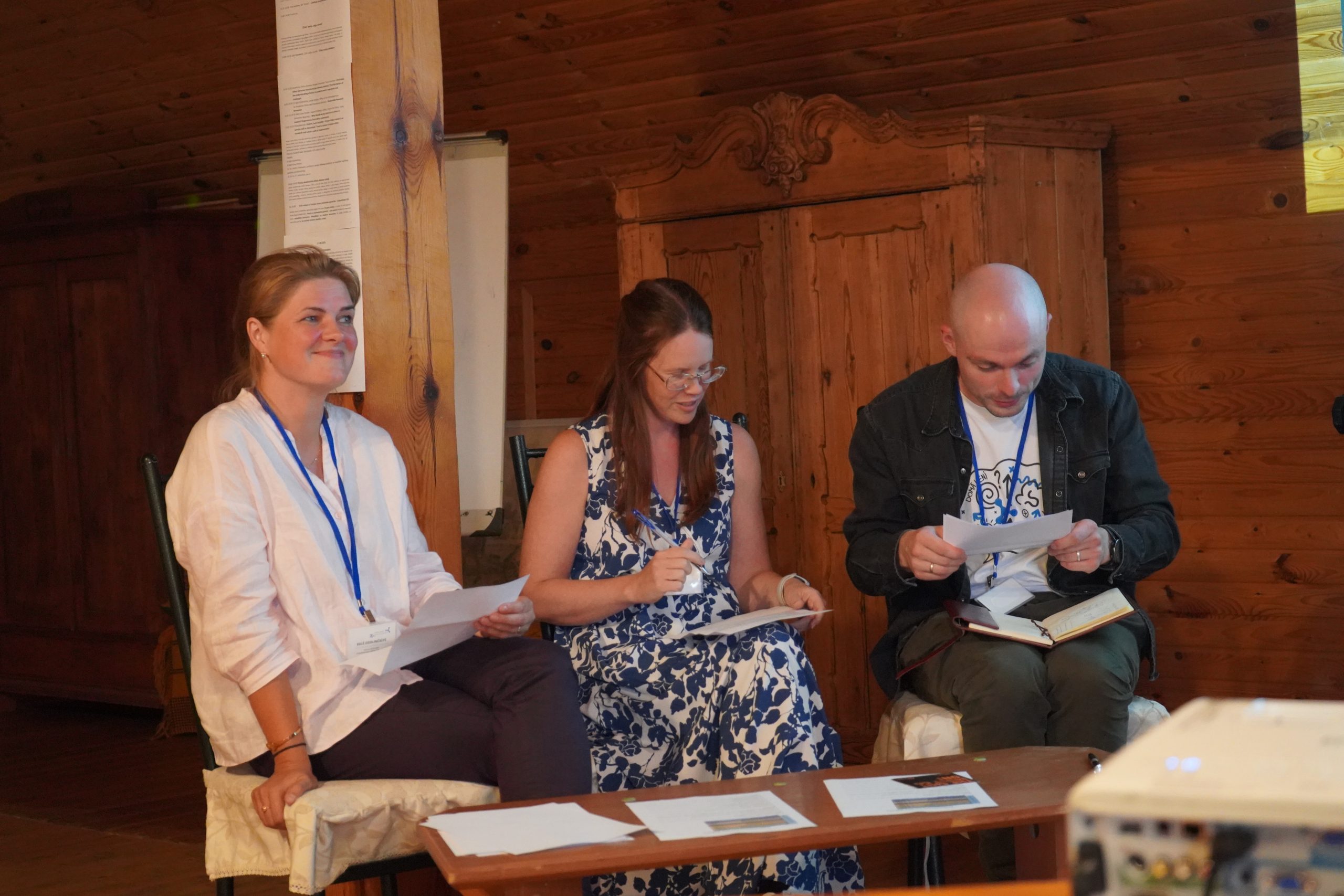
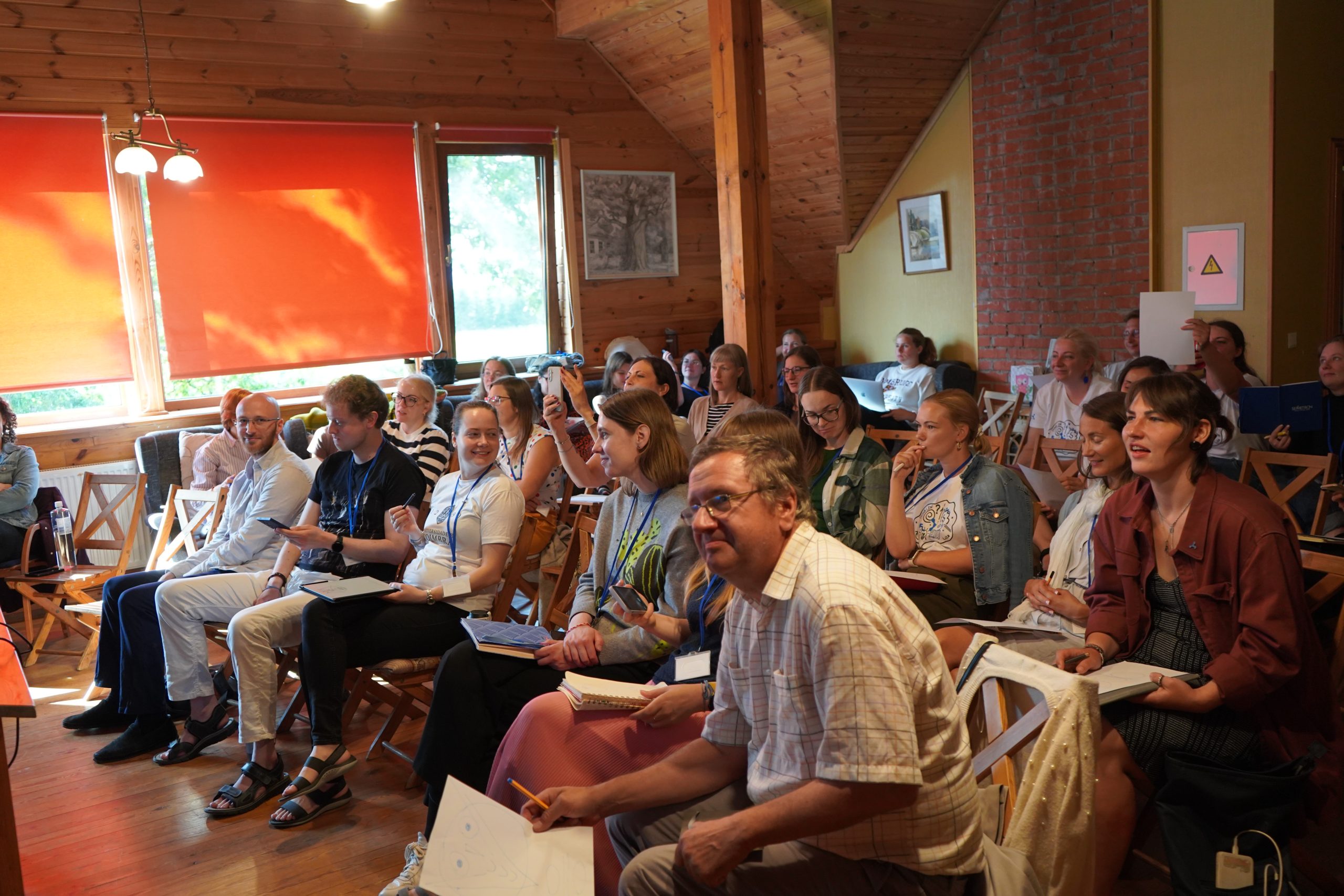
Later in the evening, the first-ever academic integrity debates in Latvia took place—marking a unique event in the country. Summer School participants discussed various dilemmas of academic integrity, shared insights, sought solutions, and practiced arguing for different positions. The debates offered an excellent space for reflecting on relevant issues, strengthening the understanding of the importance of academic integrity, and fostering the ability to build a transparent, trustworthy, and values-based study and research environment.
 |
 |
 |
 |