


Ombudsperson for Academic Ethics and Procedures of the Republic of Lithuania
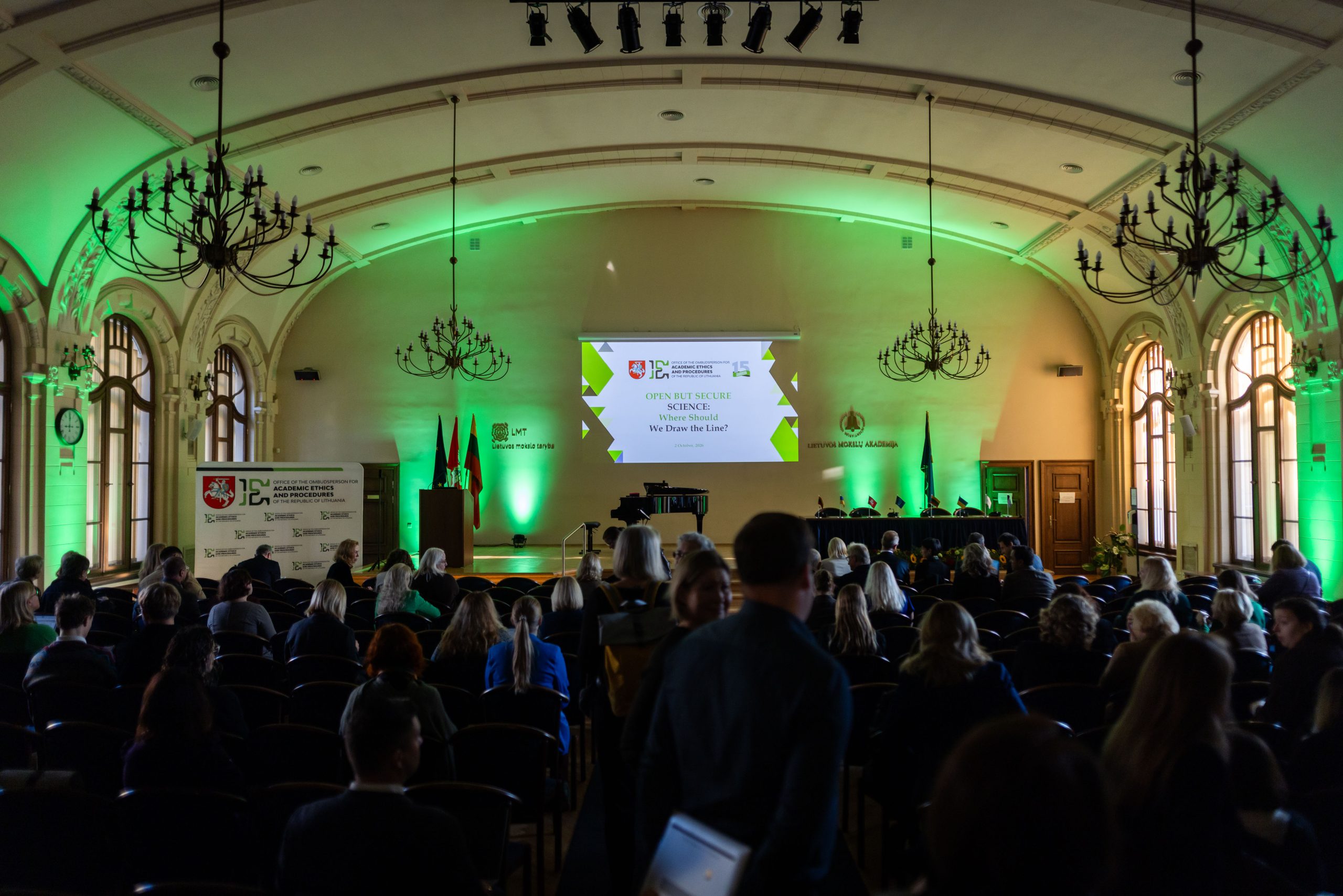
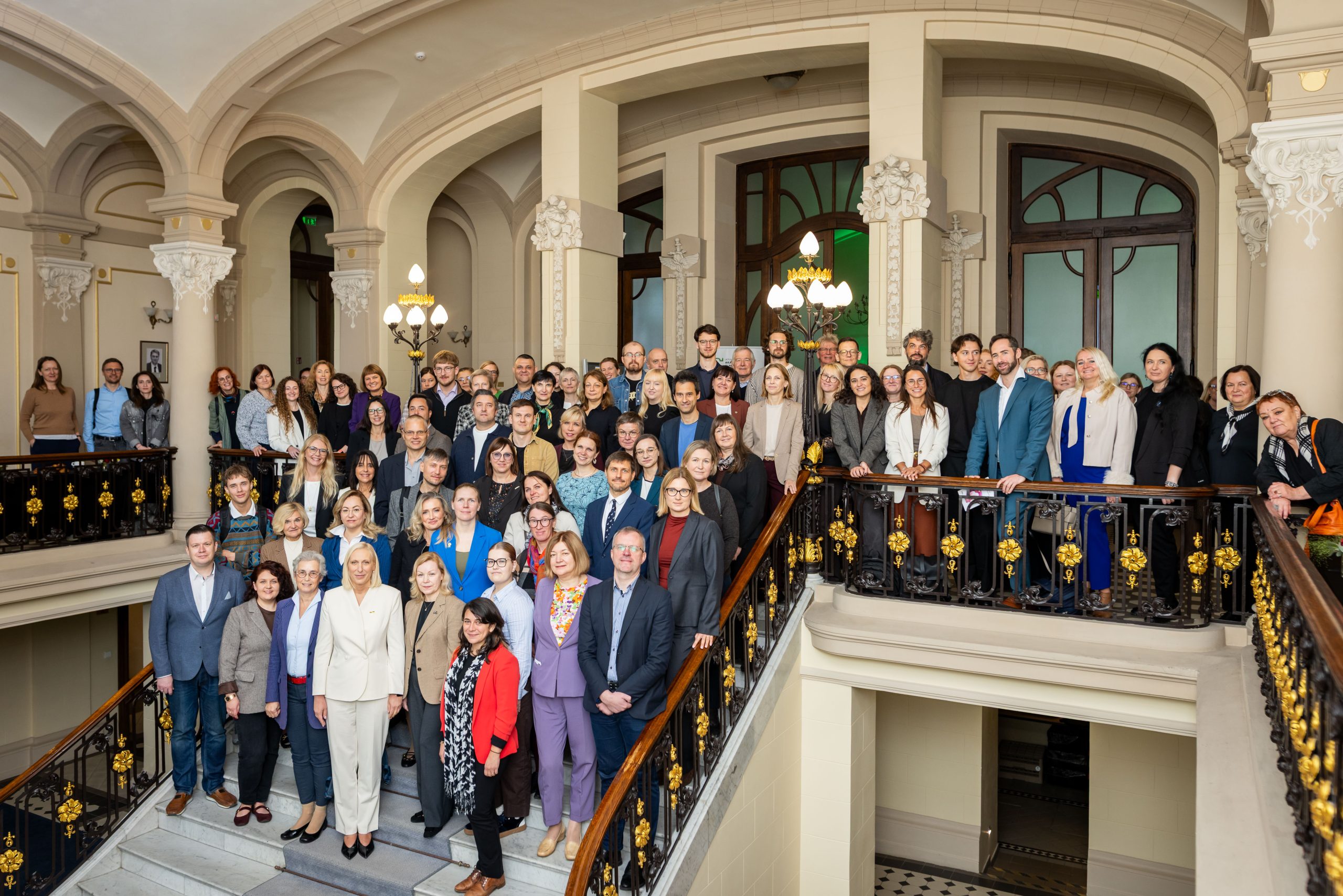
Curriculum Vitae Ombudsperson agendaHow can we ensure that science remains both open and secure? Where should we draw the line between freely sharing knowledge and protecting sensitive information? How can we reconcile international cooperation, academic freedom and research integrity with growing security challenges? On 2 October, more than 140 participants gathered at the Lithuanian Academy of Sciences to discuss how to preserve openness in science while protecting researchers, sensitive information and public trust in science.
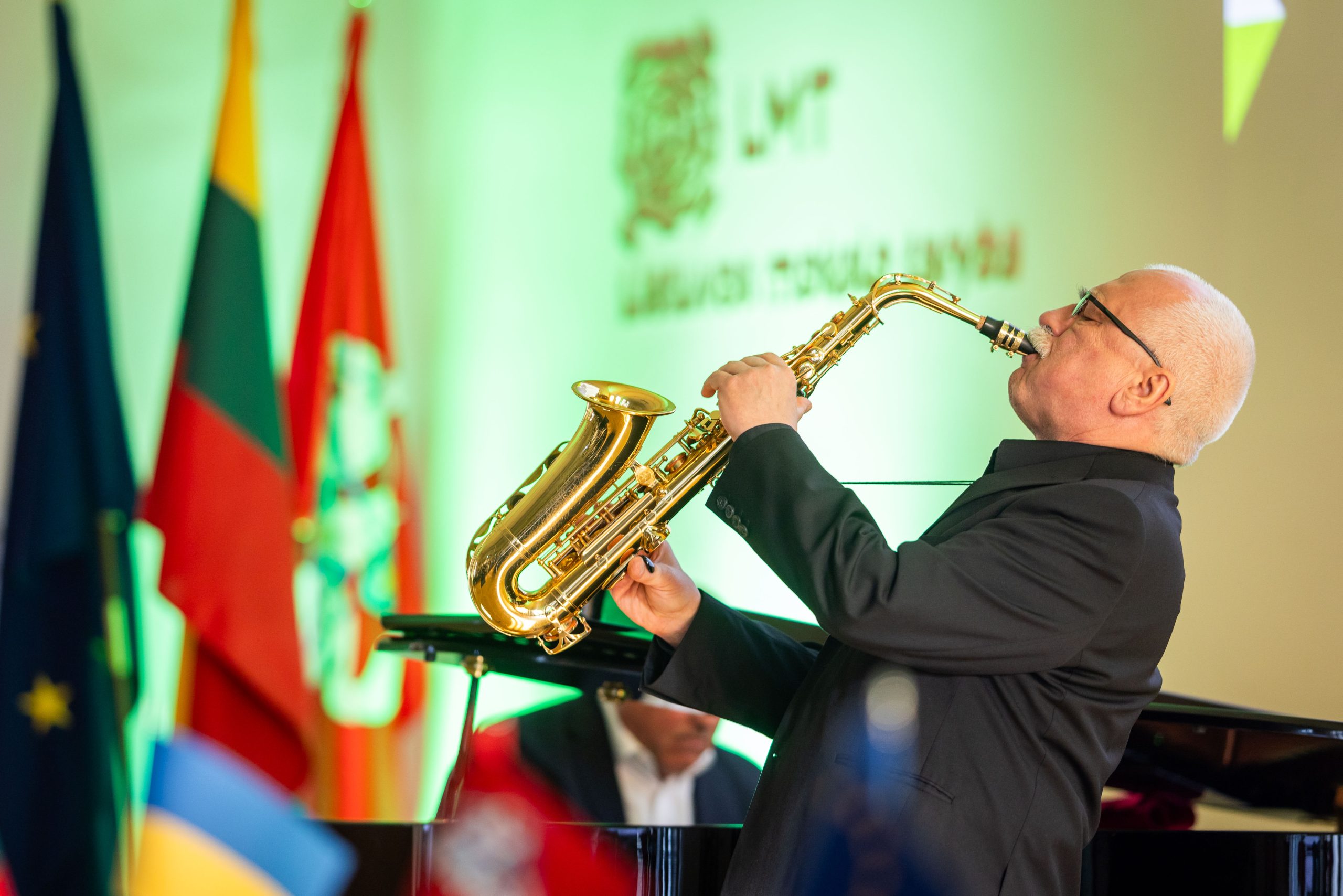
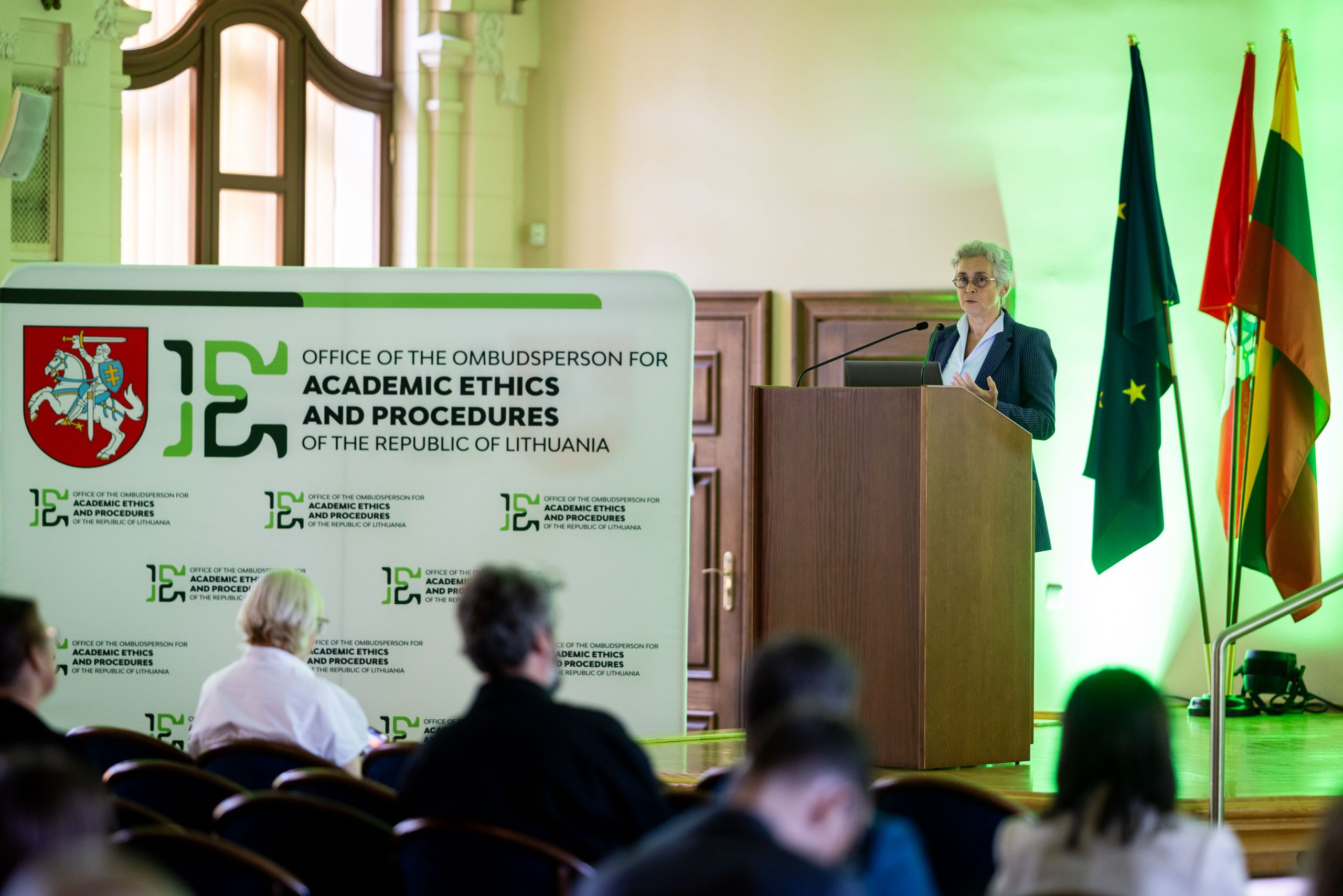
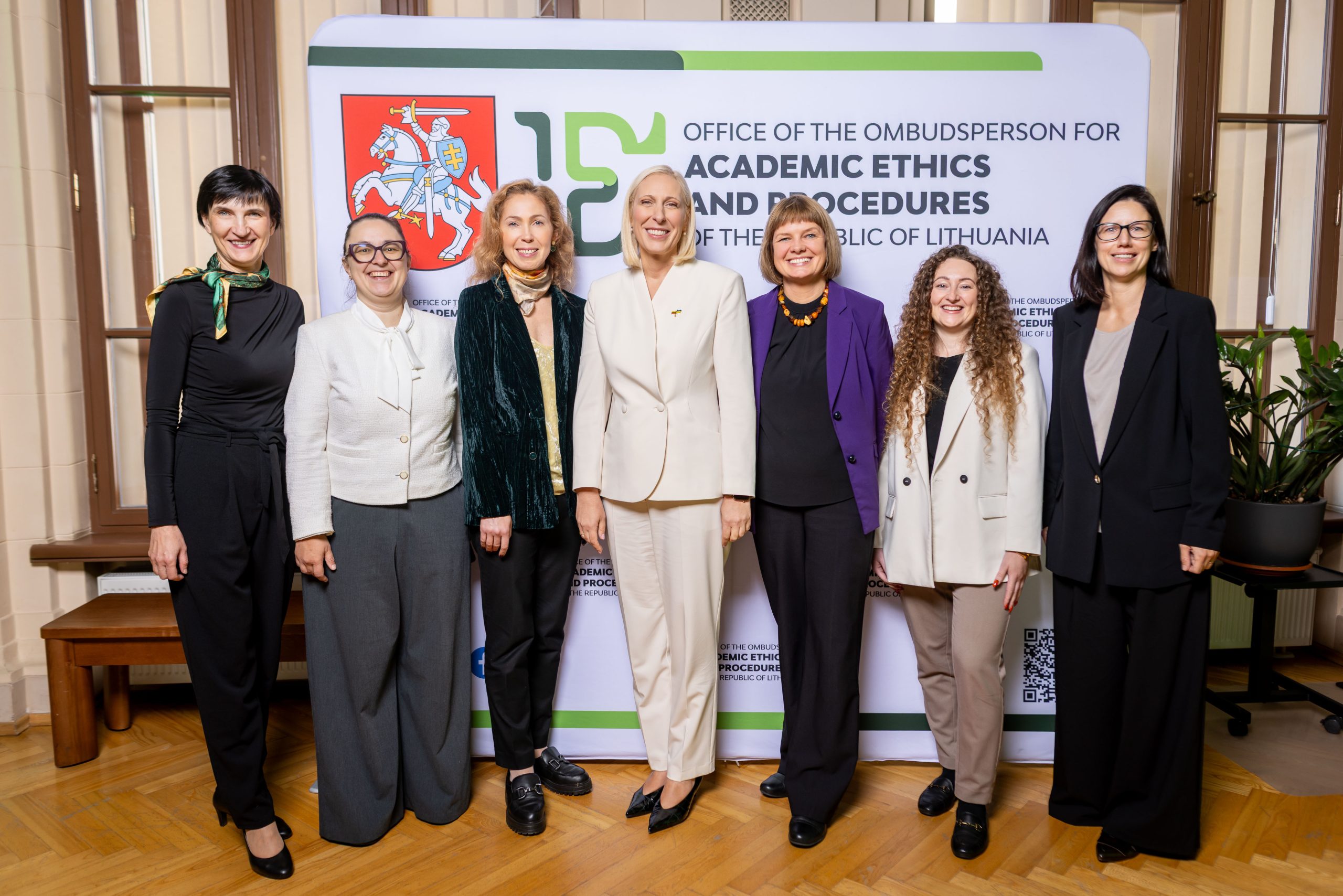
The international conference “Open but Secure Science: Where Should We Draw the Line?” was organised by the Office of the Ombudsperson for Academic Ethics and Procedures of the Republic of Lithuania (hereinafter referred to as the Office). Held to mark Global Ethics Day, the event also celebrated the Office’s 15th anniversary. Experts from Lithuania, Ireland, Belgium, Greece, Croatia, Latvia, France, Romania, Slovenia, Ukraine and Germany delivered presentations and led practical workshops.
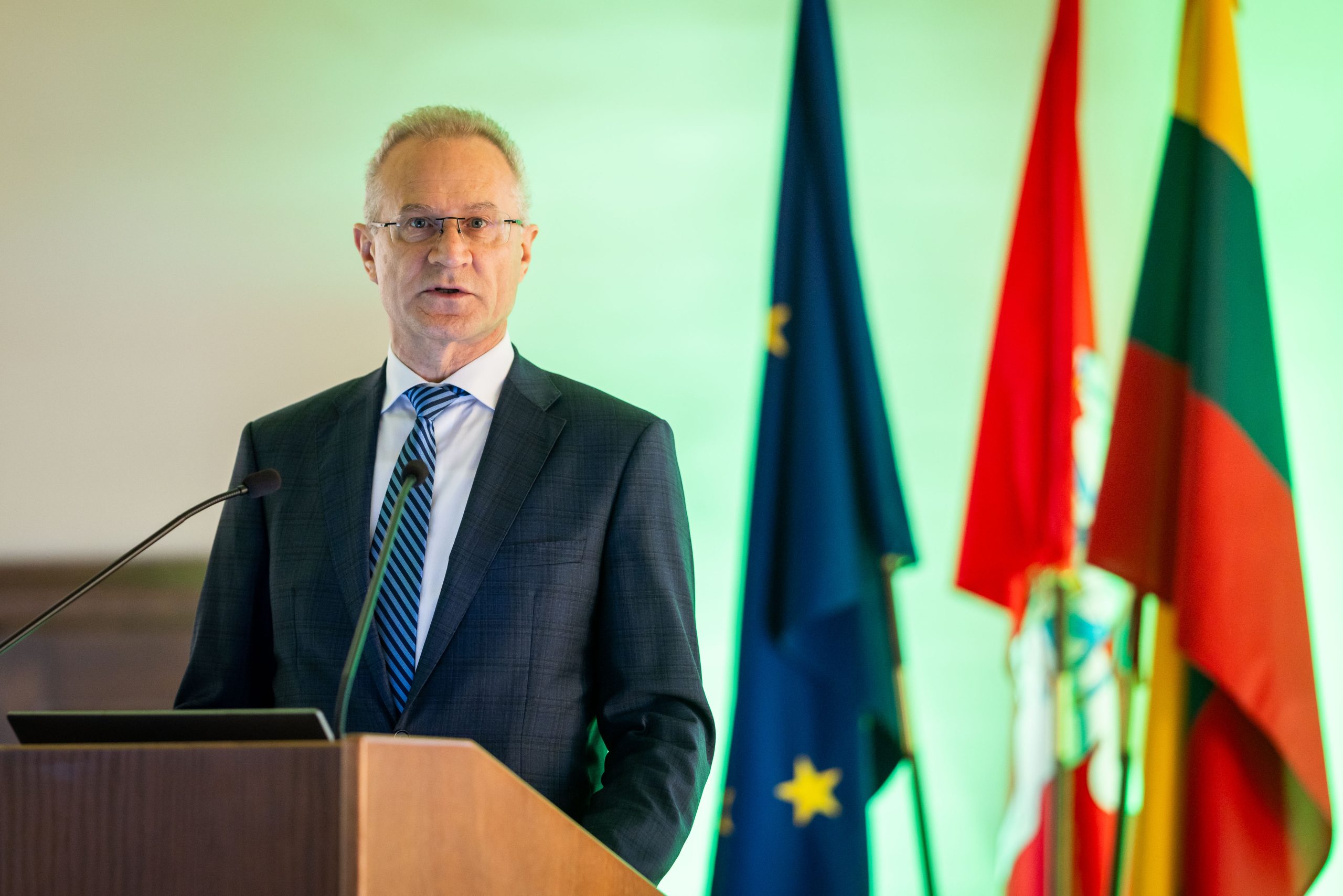
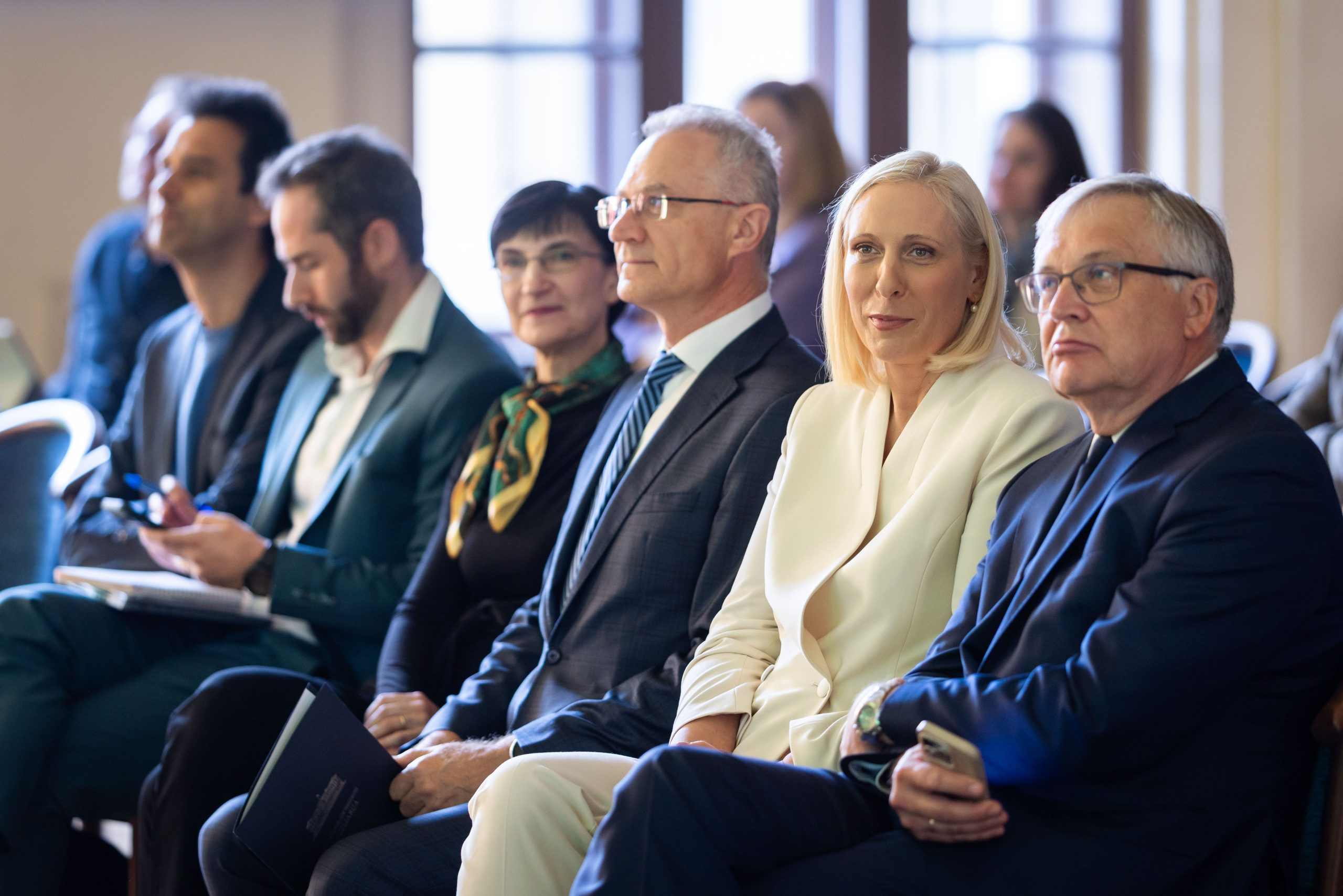
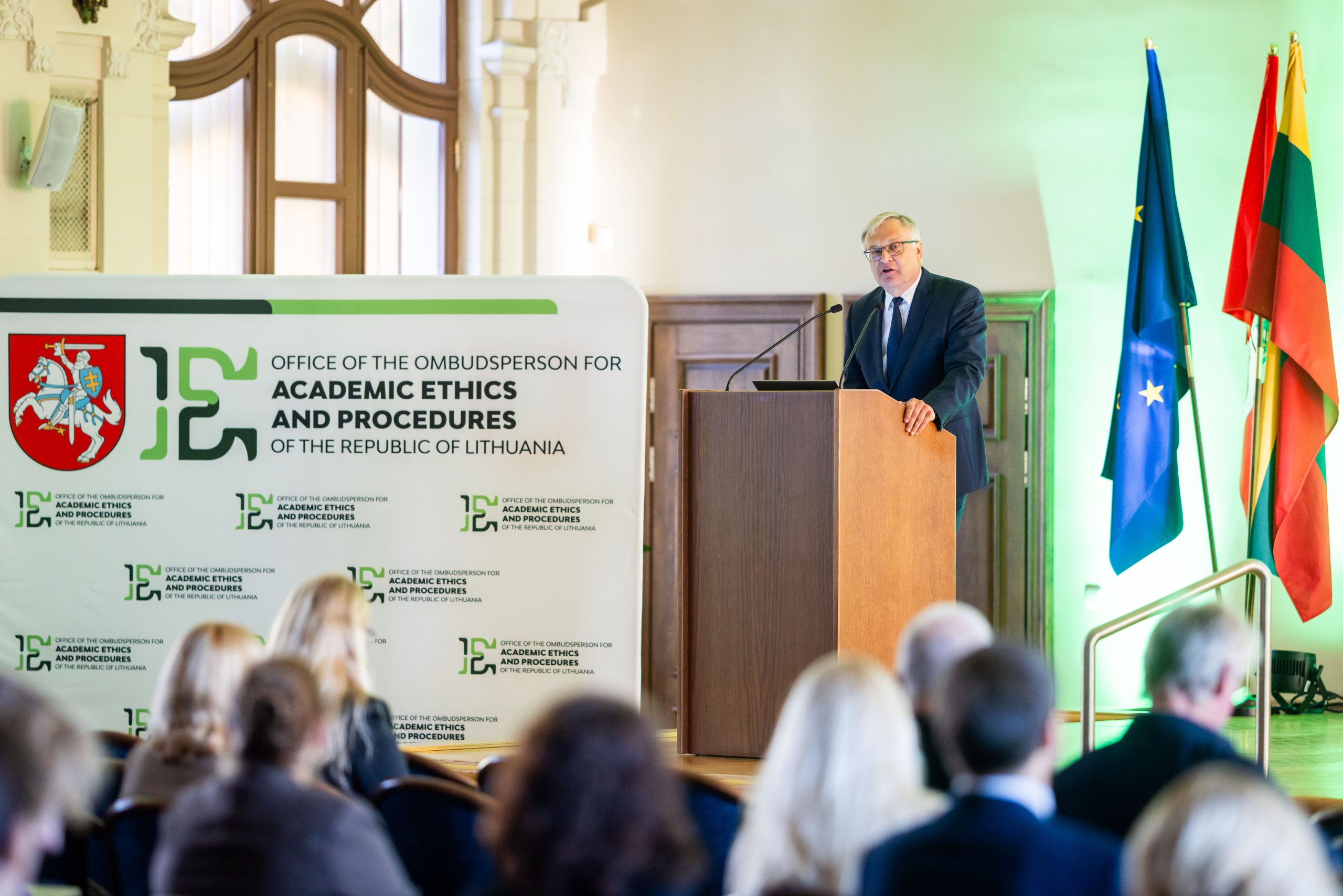
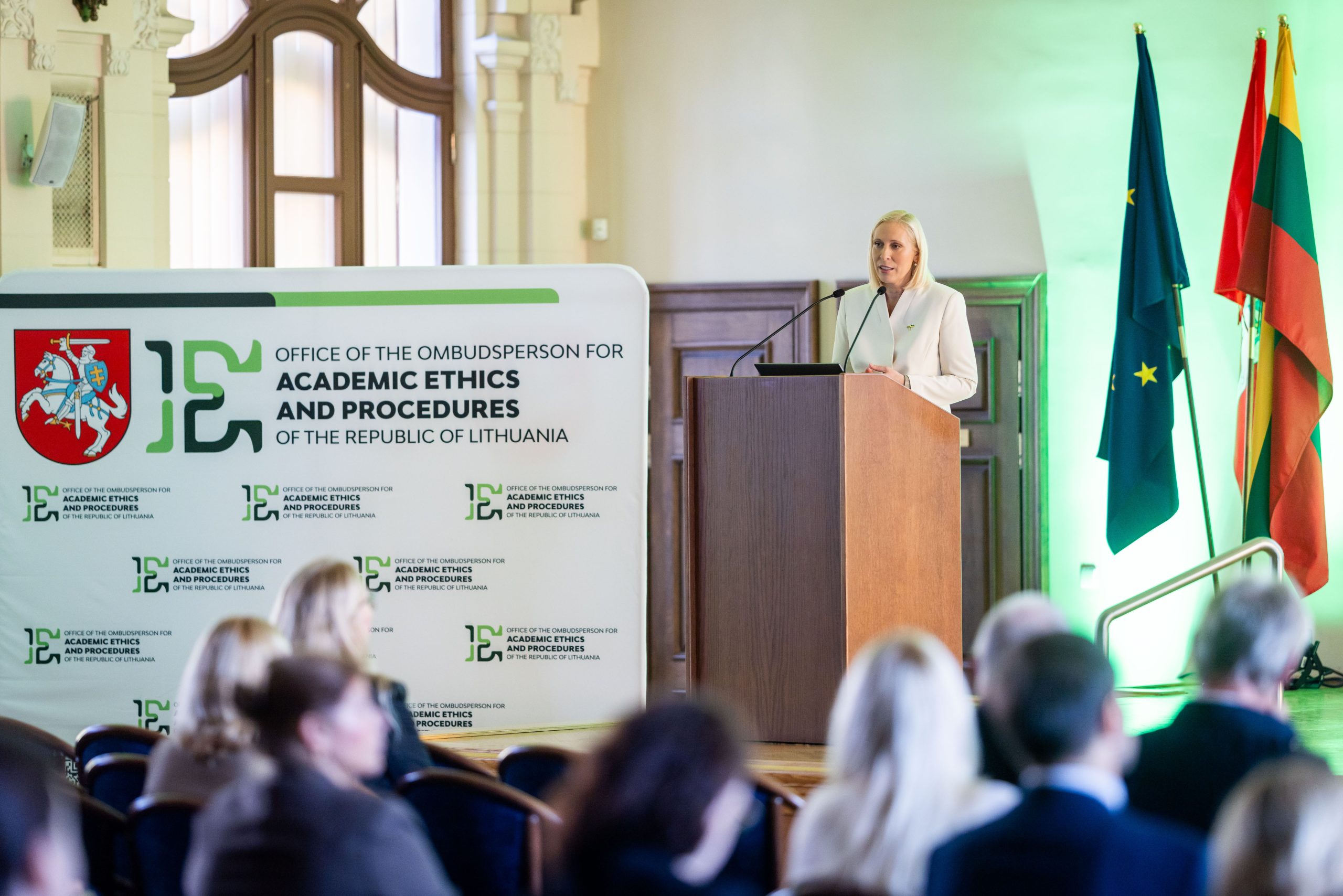
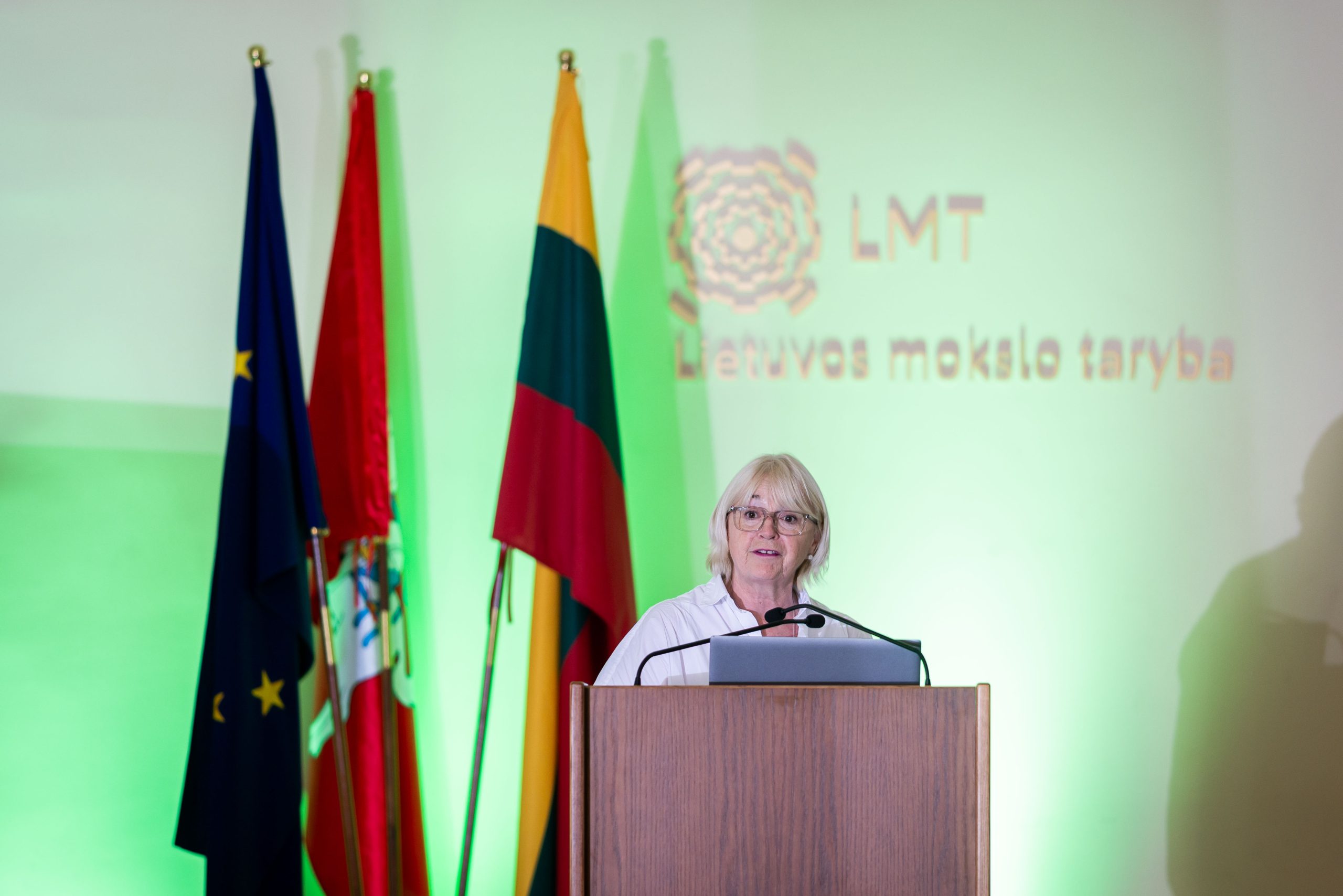
Participants were welcomed by Dr Saulius Olencevičius, Adviser to the President of the Republic of Lithuania, and Prof. Dr Artūras Žukauskas, Professor Emeritus at Vilnius University and Chair of the Research Council of Lithuania’s Expert Committee on Science and Studies Policy. Jurgita Šukevičienė, Chair of the Seimas Committee on Education and Science, also addressed participants in a recorded message.
The conference explored questions that shape everyday decisions at universities and research institutions: whom to collaborate with, which data to make public, who should have access to sensitive information and how to recognise potential misuse. These decisions affect the privacy of research participants, how knowledge is used and other researchers’ ability to verify findings.
“Researchers need clarity about which data they can share, when access must be restricted and whom to contact if they have concerns. Institutions must help them make informed decisions and create an environment where risks can be discussed openly. This is how we can protect science while preserving what it needs: cooperation and the freedom to ask questions,” said Dr Reda Cimmperman, Ombudsperson for Academic Ethics and Procedures of the Republic of Lithuania.
Where Does Necessary Protection End and Excessive Restriction Begin?
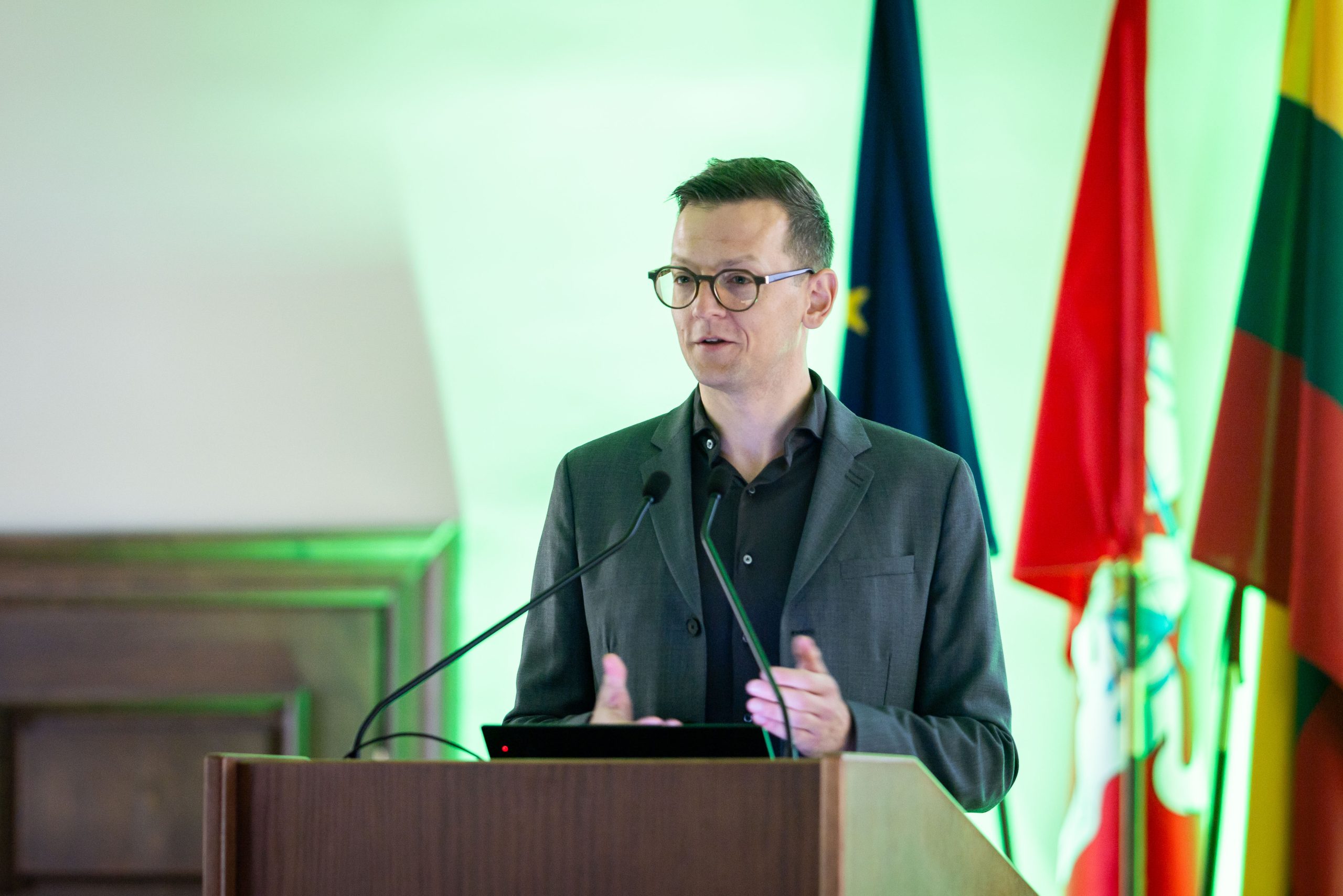
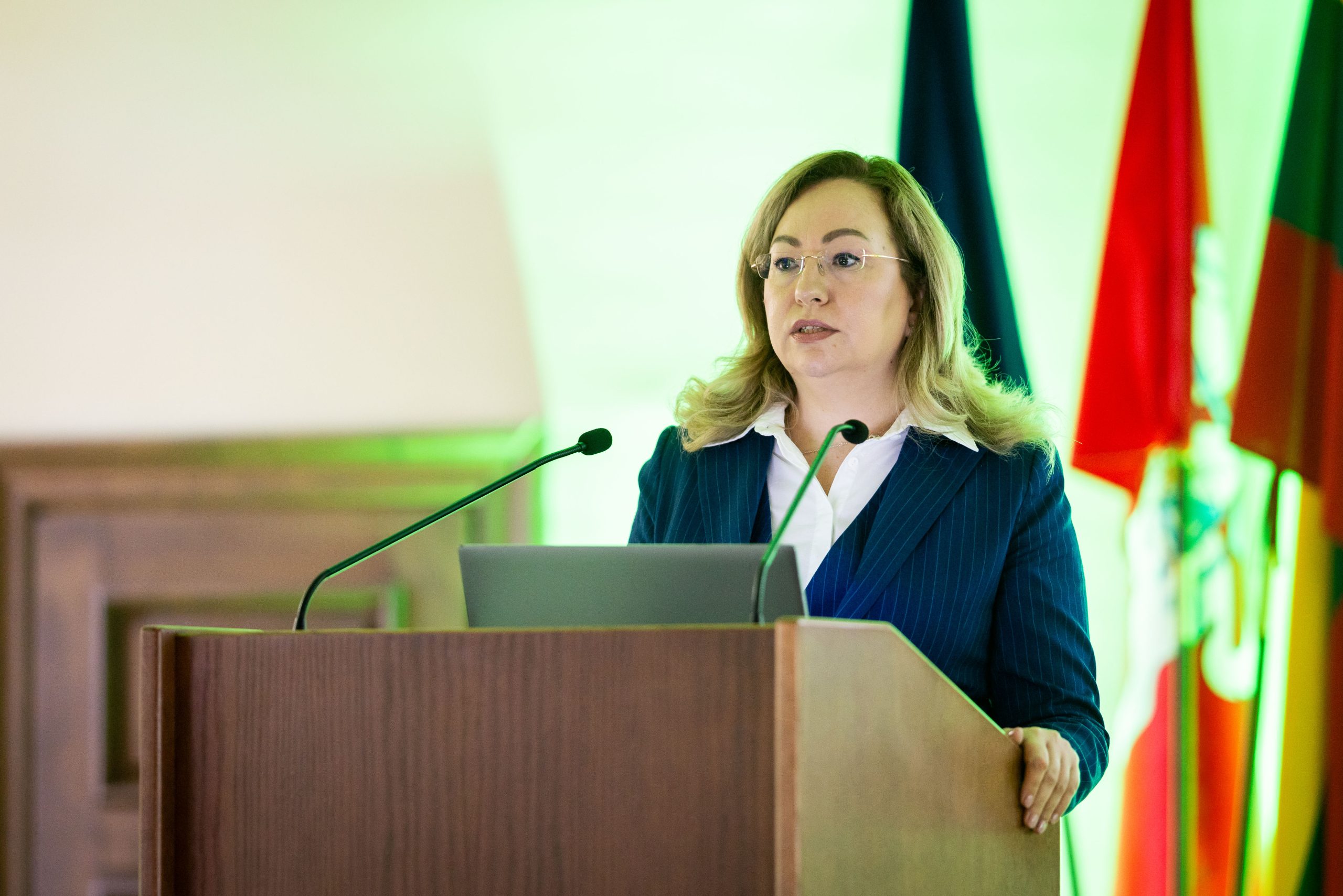
Dr Yoran Beldengrün, a representative of the Organisation for Economic Co-operation and Development (OECD) Global Science Forum, discussed how geopolitical developments are changing the research environment. Research data, infrastructure and international partnerships are increasingly becoming matters of national security and economic interest. Institutions therefore need to assess the risks of unwanted influence, the misappropriation of knowledge and its use for harmful purposes.
“Research security needs to be balanced with other policy priorities and academic values. Responsibility must be shared, but it must also be clear who is responsible for what. Risk management must be straightforward, proportionate and tailored to the specific situation,” said Dr Beldengrün.
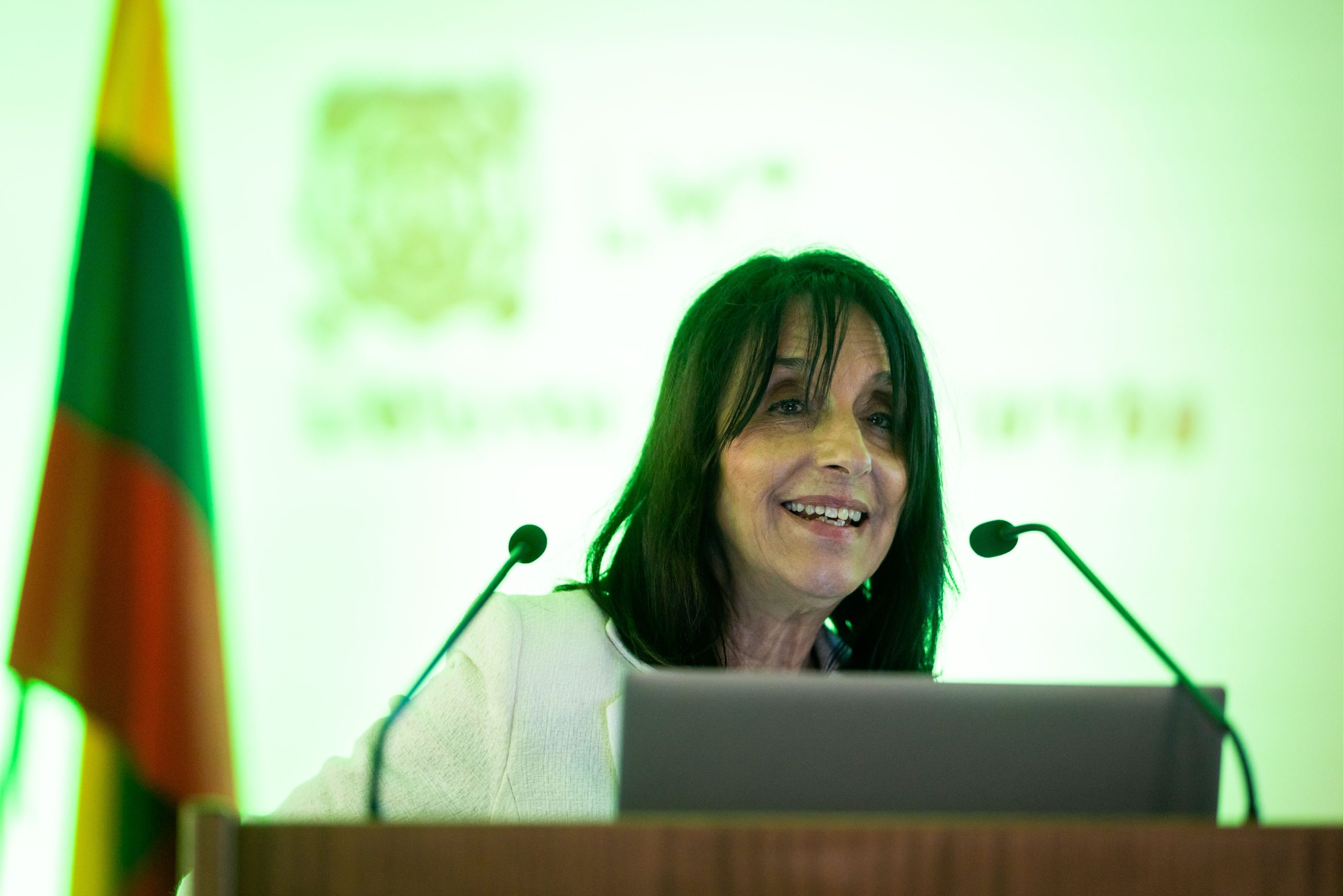
Prof. Dr Stavroula Tsinorema of the University of Crete, Greece, explored how to apply the principle “as open as possible, as closed as necessary” in practice. Different types of information require different approaches: publications and research methods can be made public, while sensitive health data may require controlled access. She emphasised that restrictions must be explained and justified. Excessive secrecy can also undermine trust in science and hinder cooperation.
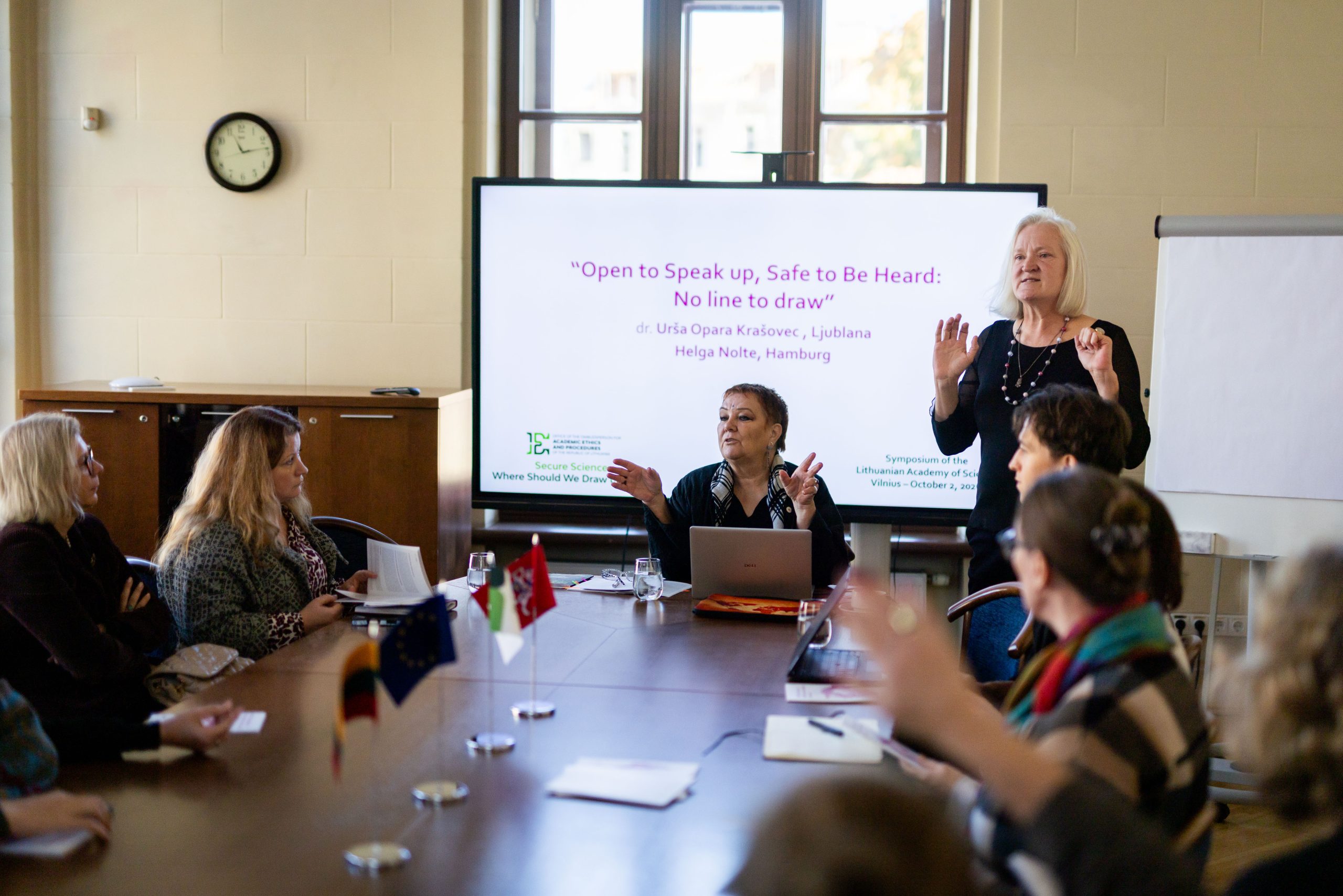
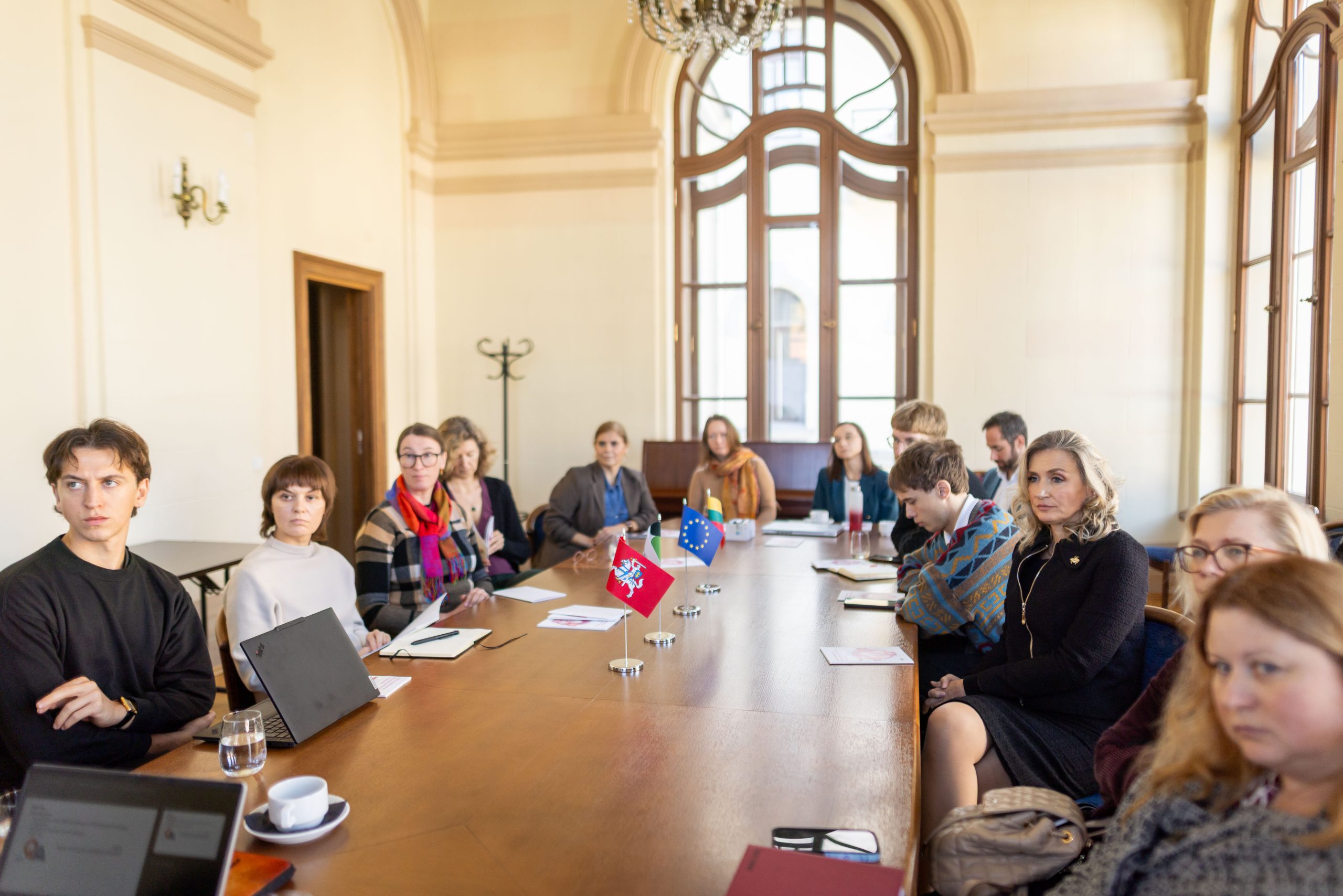
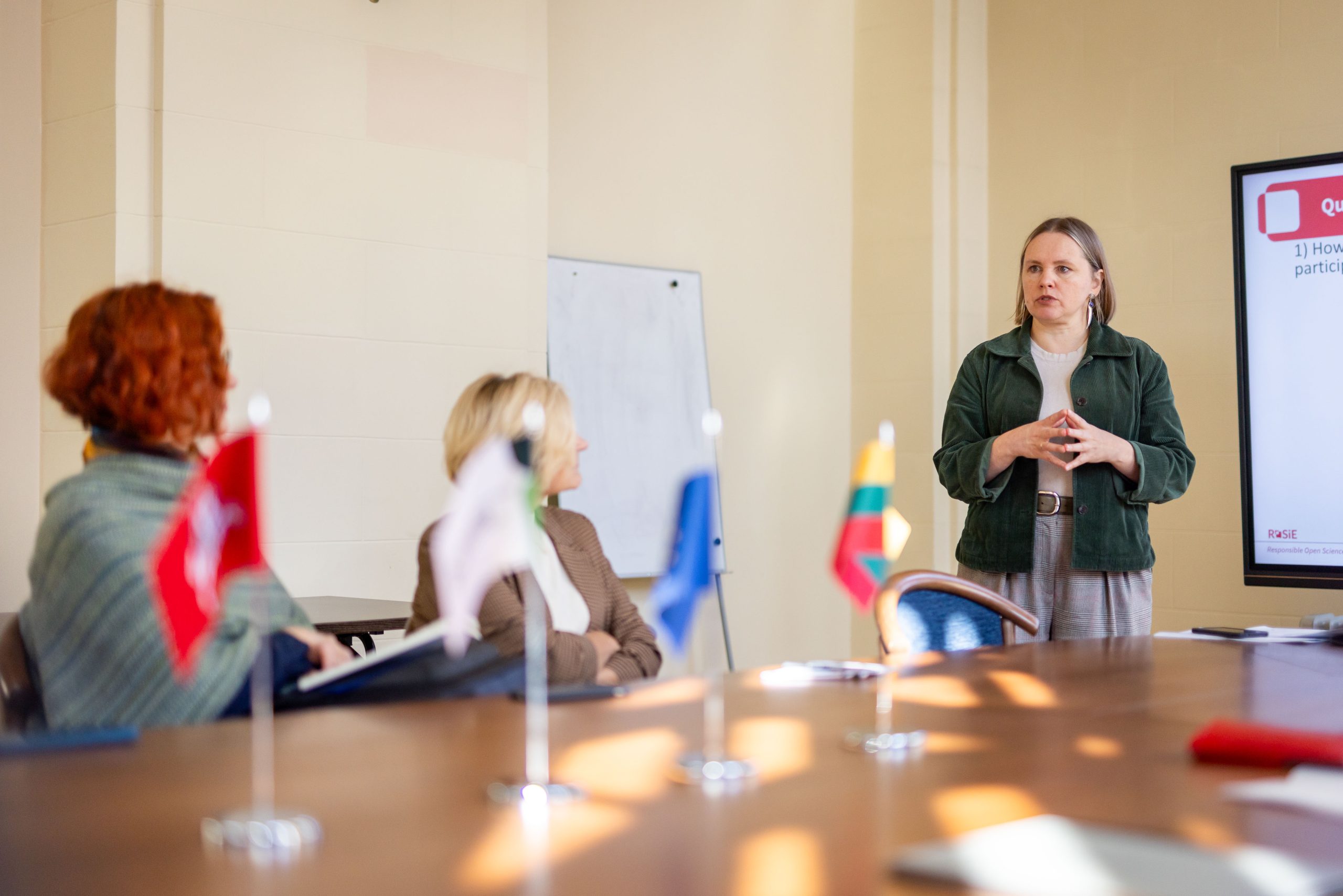
Participants also explored these questions in practical workshops. They discussed responsible open science, the links between research security and research integrity, ways to raise concerns safely and the reliability of research dissemination.
“The conference reminded us once again that balancing openness and security in research is essential, yet increasingly complex. It raises many practical questions that require carefully considered solutions,” said Dr Signe Mežinska, Associate Professor at the University of Latvia.
Research Security Begins with Reliable Research
Prof. Dr Ana Marušić of the University of Split School of Medicine, Croatia, called for research security to be strengthened by building on existing experience in promoting ethics and integrity. She emphasised that researchers need support in assessing risks from the outset of a project and that new security measures should be incorporated into existing training and institutional practices.
“Research ethics and integrity help build the culture, practices and trust that research security requires. Our task is to build on this foundation rather than start from scratch,” emphasised Prof. Dr Marušić.
Dr Maura Hiney of University College Dublin, Ireland, addressed the gap between rules and everyday practice. She asked whether researchers have enough time, resources and support to comply with institutional requirements. Working responsibly becomes more difficult when assessment systems primarily reward the number of publications, while giving less attention to research quality and integrity.
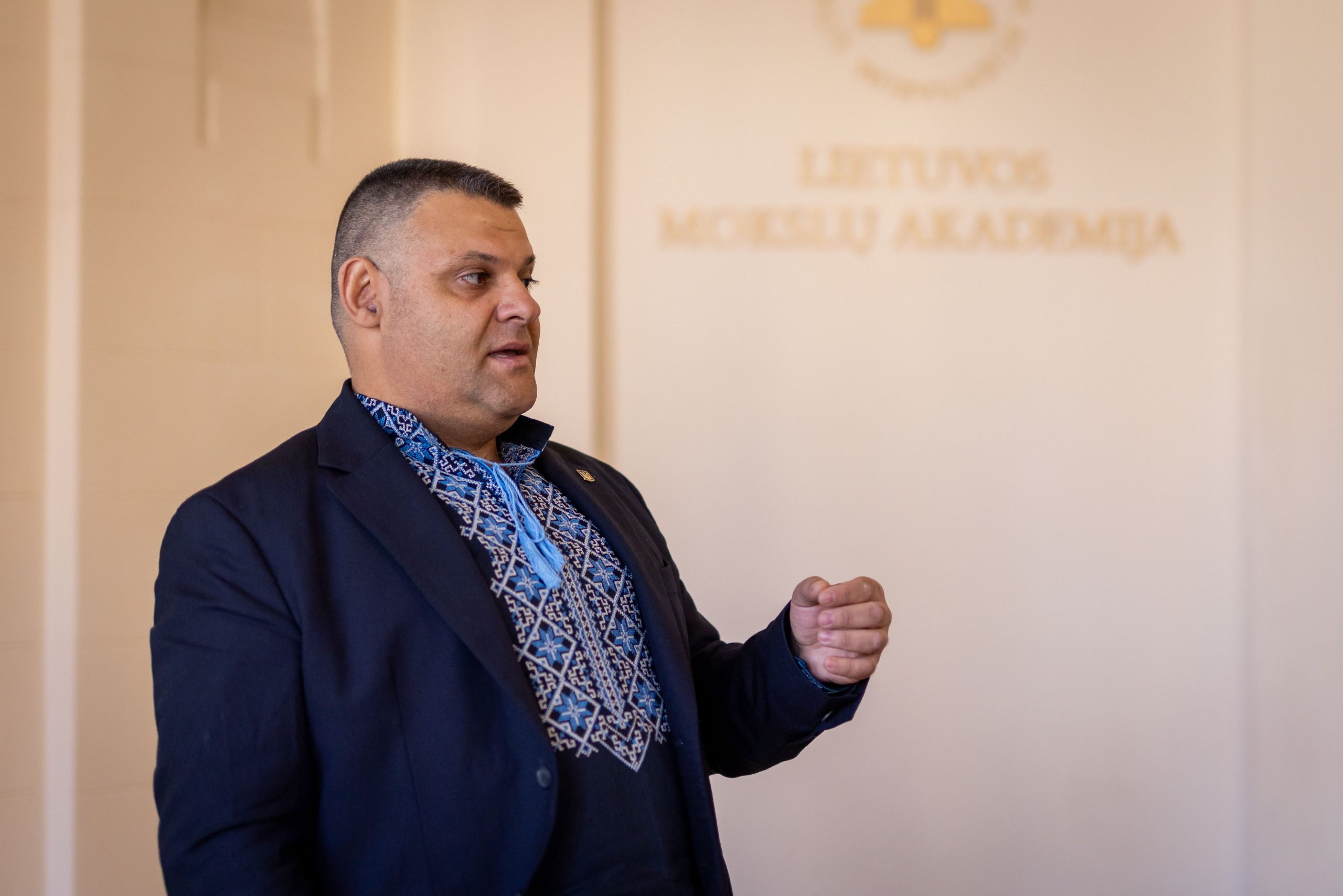
Romanian expert Dr Raluca-Oana Andone presented a case in which researchers were listed as co-authors of publications without having made a substantial scholarly contribution. In his workshop, Ukrainian expert Artem Artyukhov discussed sham conferences that issue certificates and publish collections of abstracts without providing opportunities for meaningful scholarly dialogue. Both examples illustrated why assessing research activity requires more than counting publications or instances of conference participation. The substance of the work and the researcher’s actual contribution must also be considered.
Lithuania’s Experience: Progress and Gaps in Trust
Dr Cimmperman presented the findings of the Office’s study “Responsible Science Barometer 2026”. A total of 587 members of the academic community took part in the survey. Comparisons with previous surveys indicate a better understanding of documents on research and publication ethics. However, learning in this area remains more occasional than systematic.
The study also revealed gaps in trust: respondents who encounter misconduct often do not report it because they doubt that doing so will lead to any meaningful outcome. Institutions therefore need to ensure that people know whom to contact and that their reports are handled responsibly.
“Twenty-seven per cent of the researchers surveyed reported encountering misconduct by other researchers over the past three years. When more than one in four researchers experience this, we cannot treat academic ethics issues merely as isolated violations. This is also a question of our research culture,” said Dr Cimmperman.
The conference organised by the Office gave Lithuania’s academic community an opportunity to explore these issues together with international experts. Presentations and workshops examined how to assess partnerships, manage data responsibly and support researchers in making decisions. The shared goal is to provide the protection each research project needs while preserving opportunities to collaborate and share knowledge.
Next autumn, the Office will organise another international conference, with plans to place greater emphasis on students. Everyone who cares about the future of science will be invited to take part, share their experiences and work together to find answers to questions that matter to the academic community.
 |
 |
 |
 |
 |
 |
 |
 |
 |
 |
 |
 |
 |
 |
 |
 |
 |
 |
 |
 |
Photographer Irmantas Gelūnas