


Ombudsperson for Academic Ethics and Procedures of the Republic of Lithuania
Curriculum Vitae Ombudsperson agendaA place on the author list of a research article can become a commodity, while sources cited in a text generated by artificial intelligence (AI) may not exist at all. How can such cases be identified, and how can we ensure that research findings can be trusted? On 30 September and 1 October, members of the European Network of Research Integrity Offices (ENRIO) and invited experts discussed these and other research integrity issues in Vilnius.
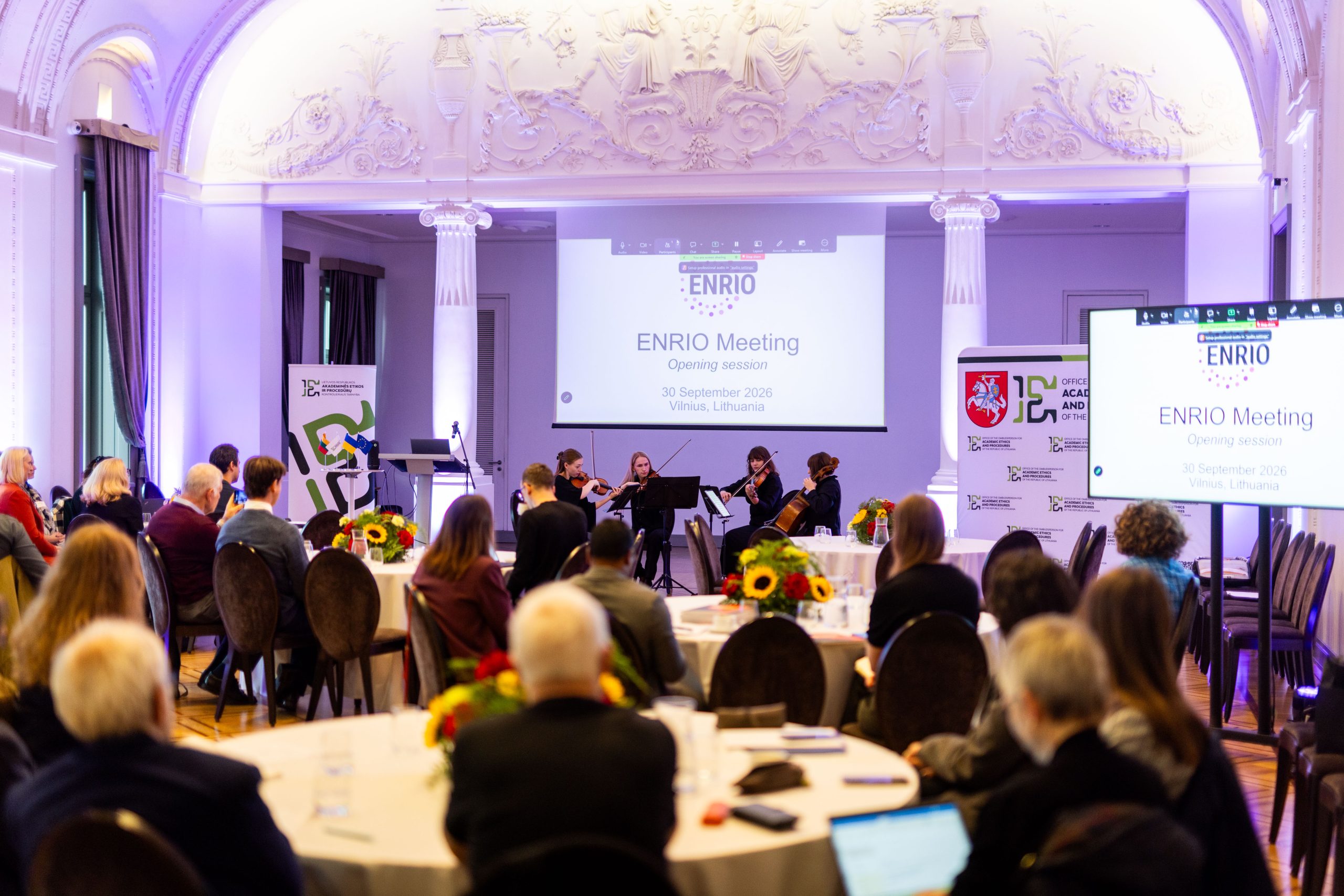
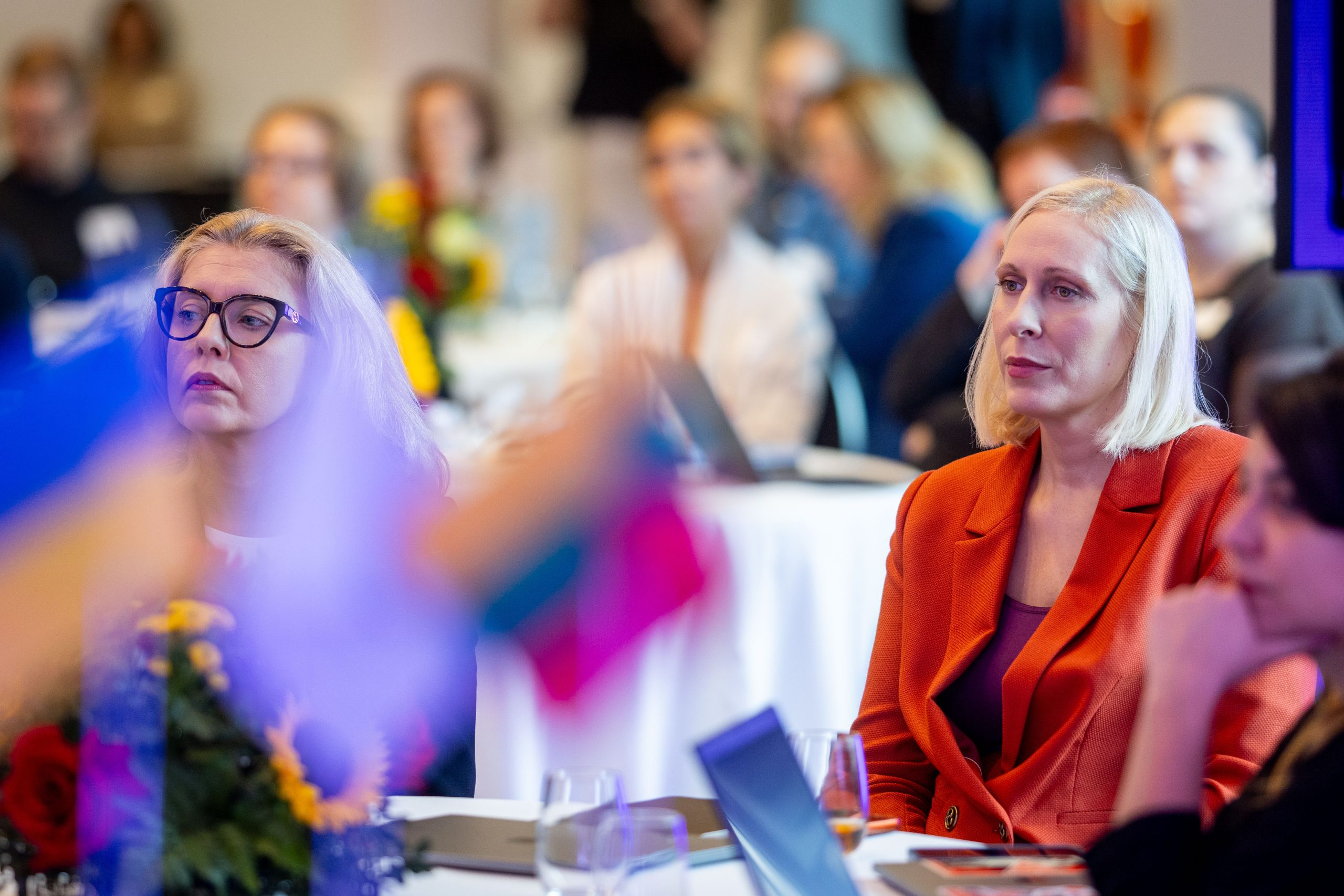
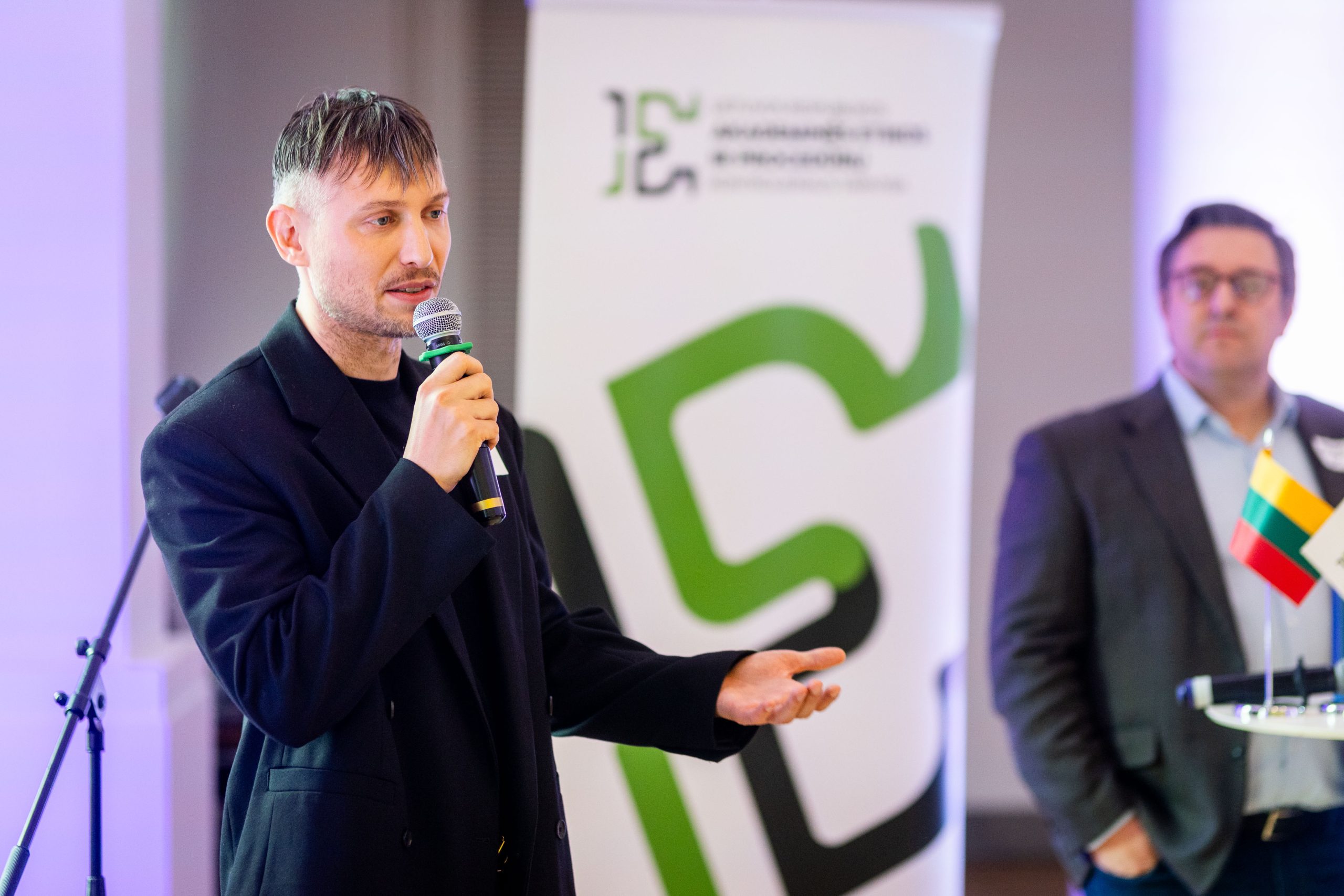
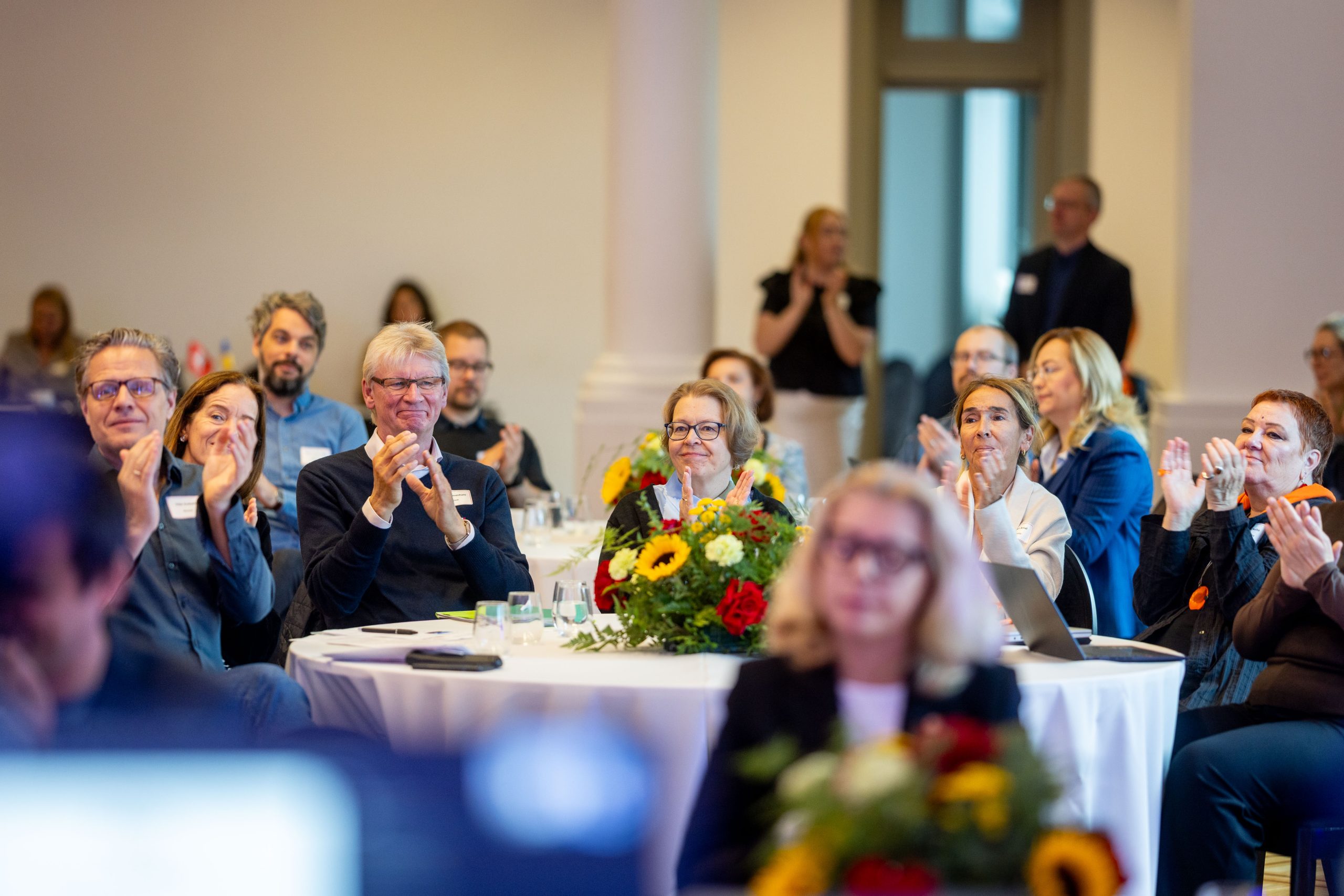
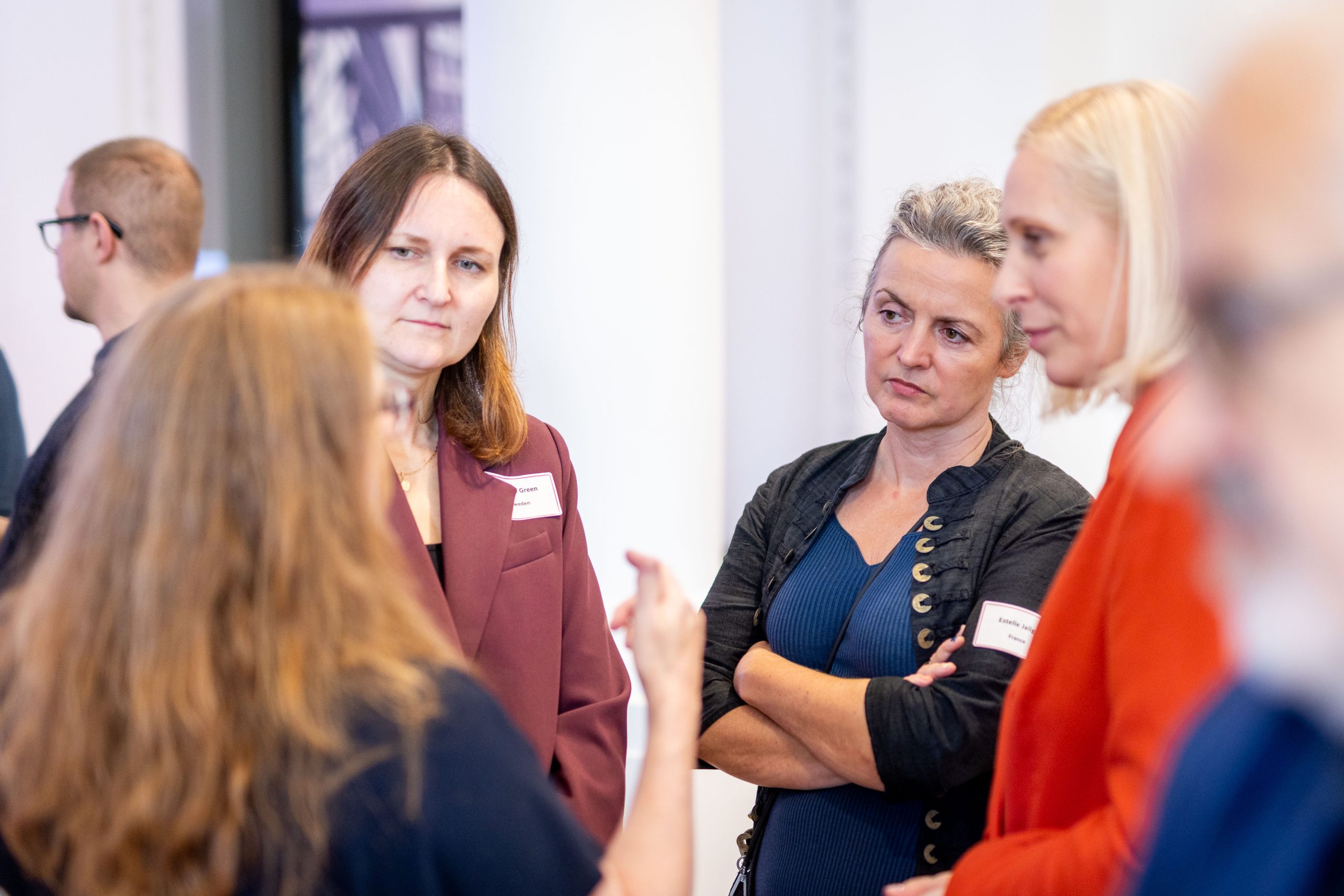
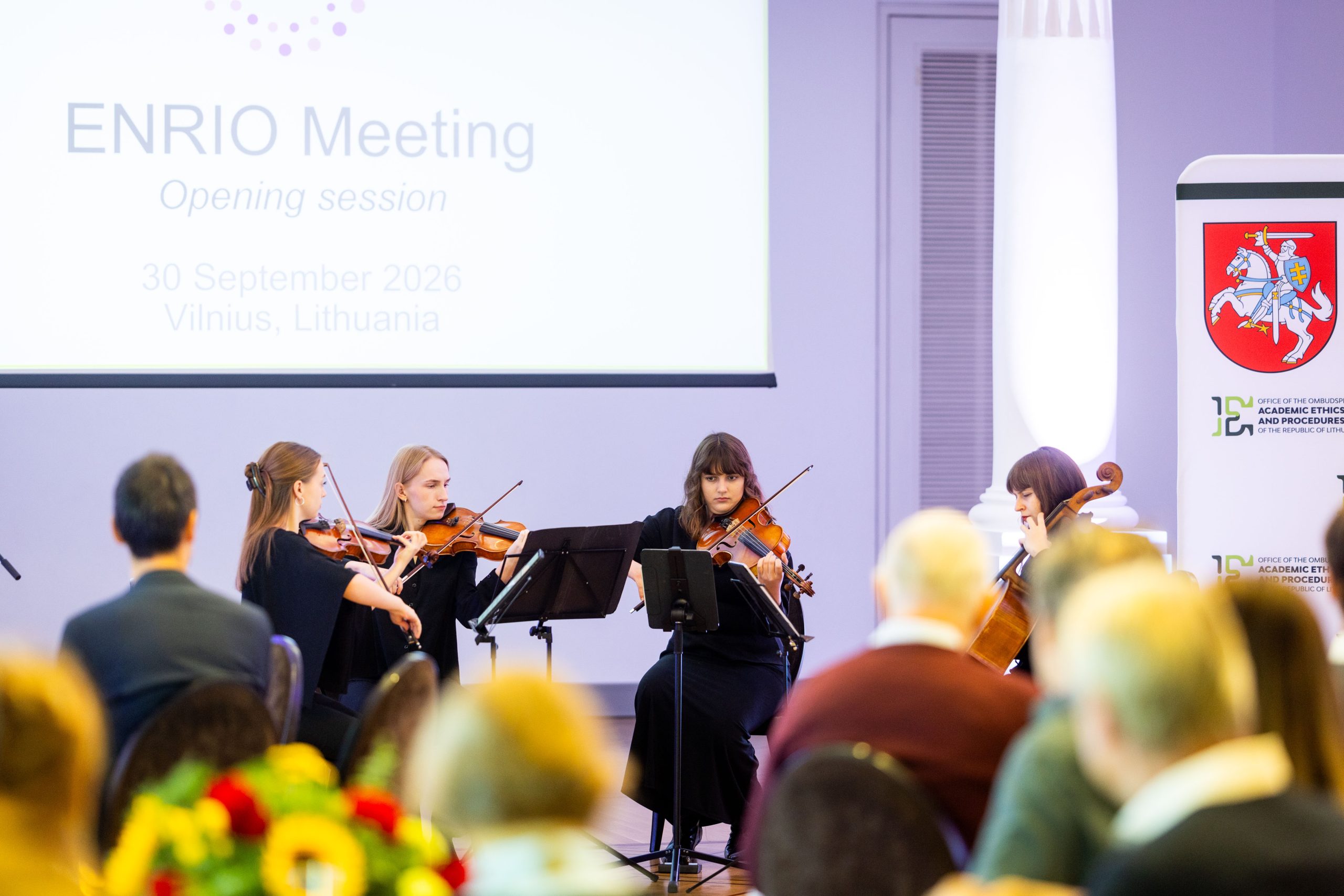
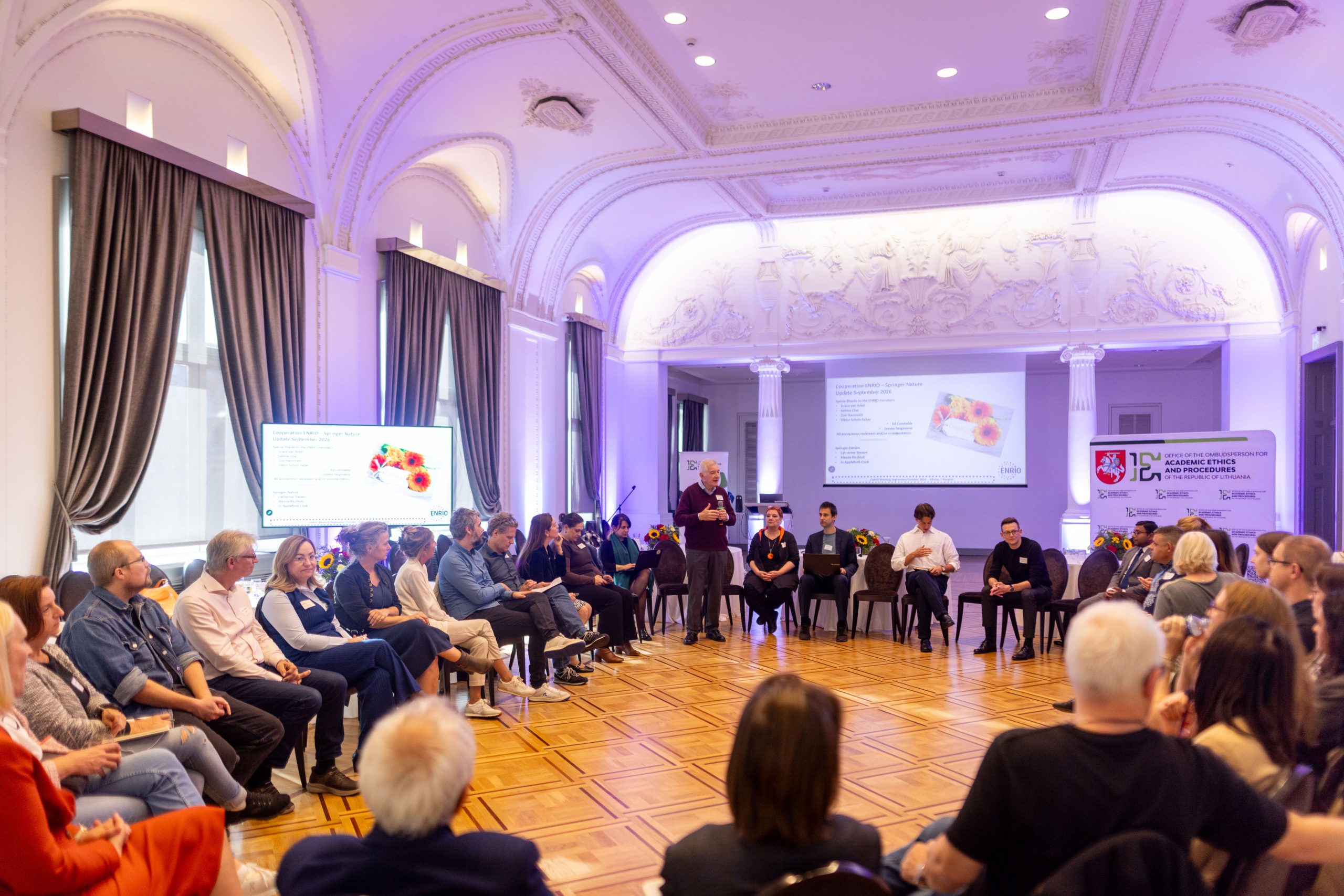
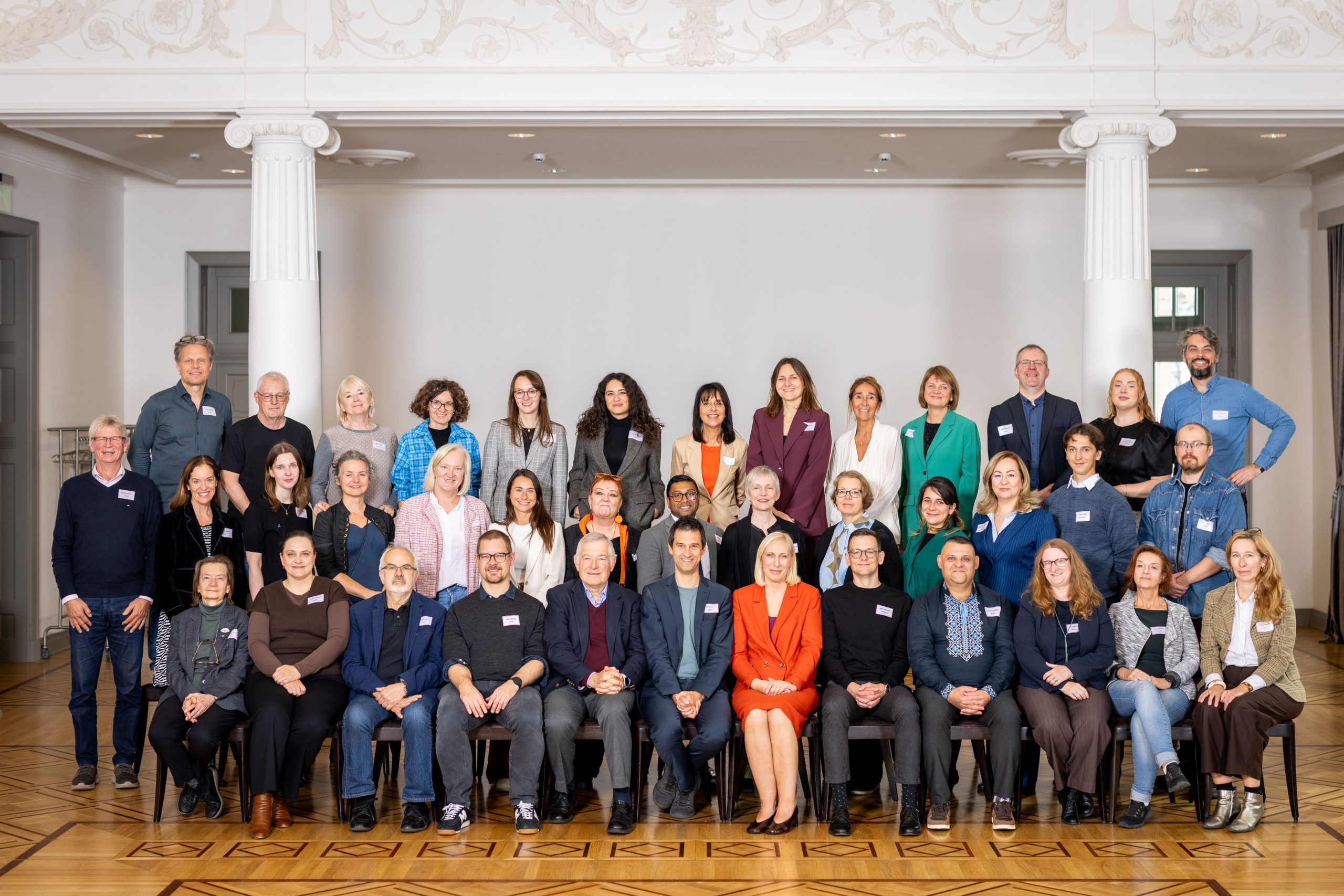
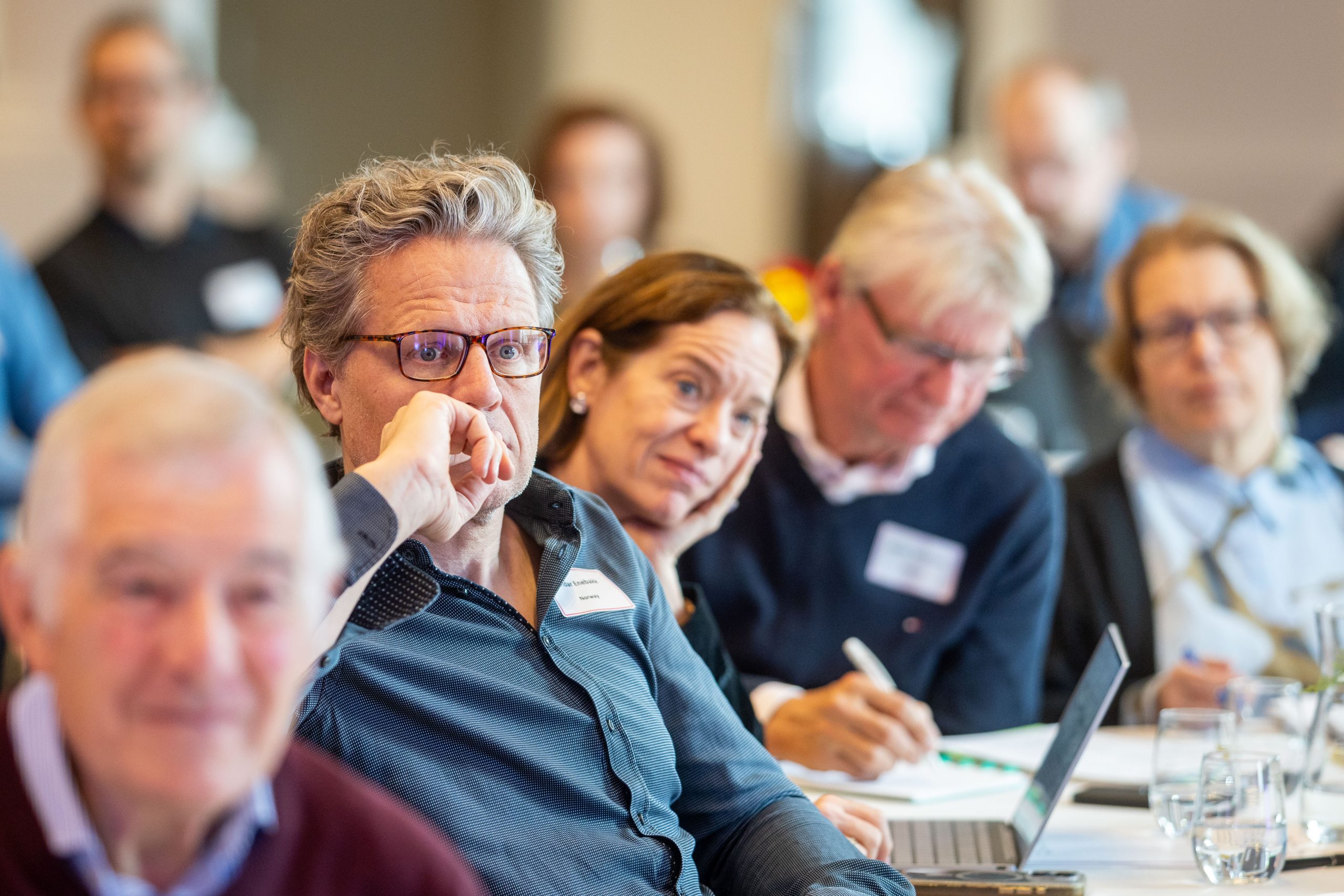
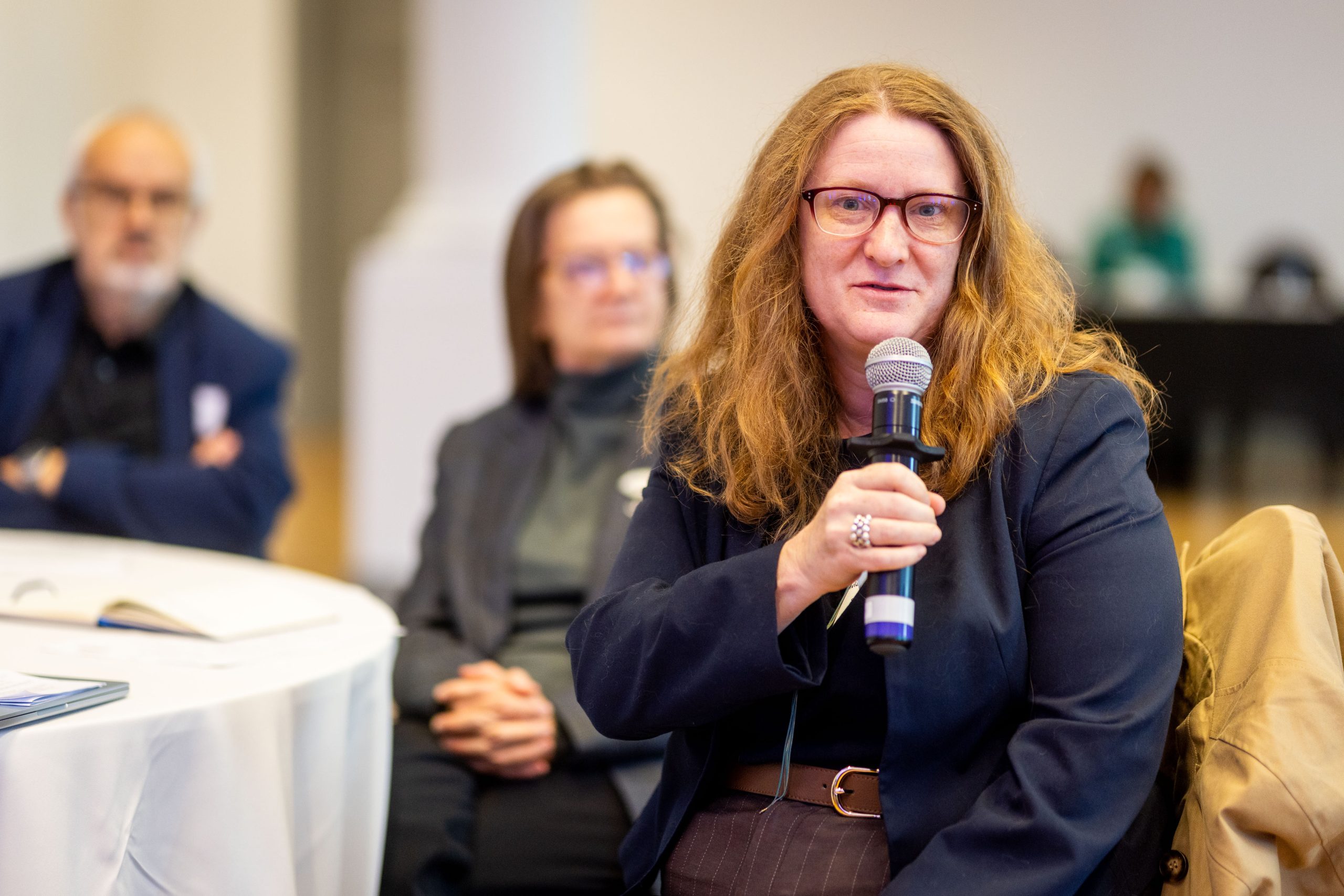
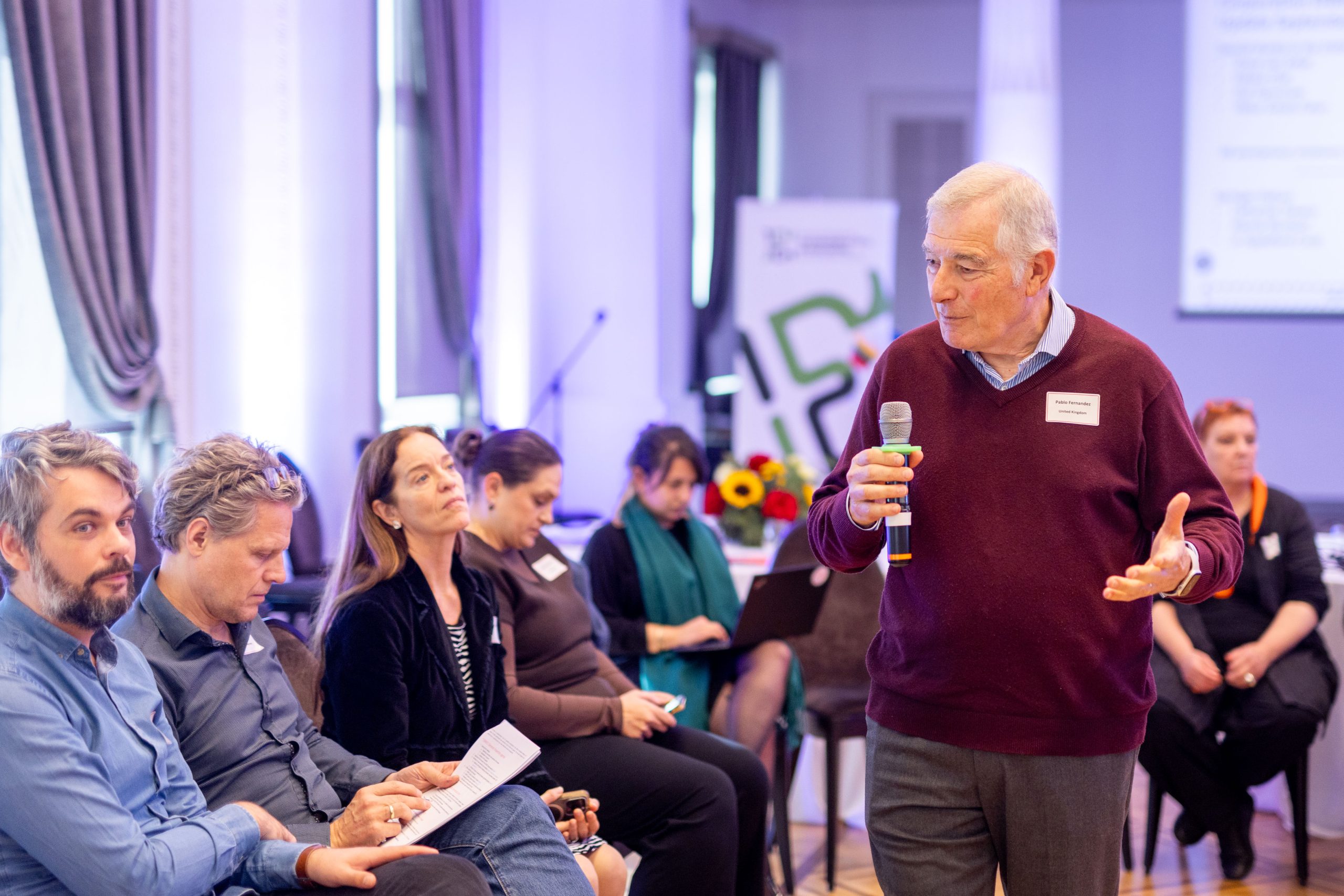
The two-day meeting, held in Lithuania for the first time, was organised by the Office of the Ombudsperson for Academic Ethics and Procedures of the Republic of Lithuania (hereinafter referred to as the Office). Around 50 specialists from 25 European countries attended the event at Pirklių klubas in Vilnius, both in person and online. They shared their experiences of how different countries investigate allegations of plagiarism, research data falsification, improper authorship and other breaches of academic ethics, and which measures help prevent them.
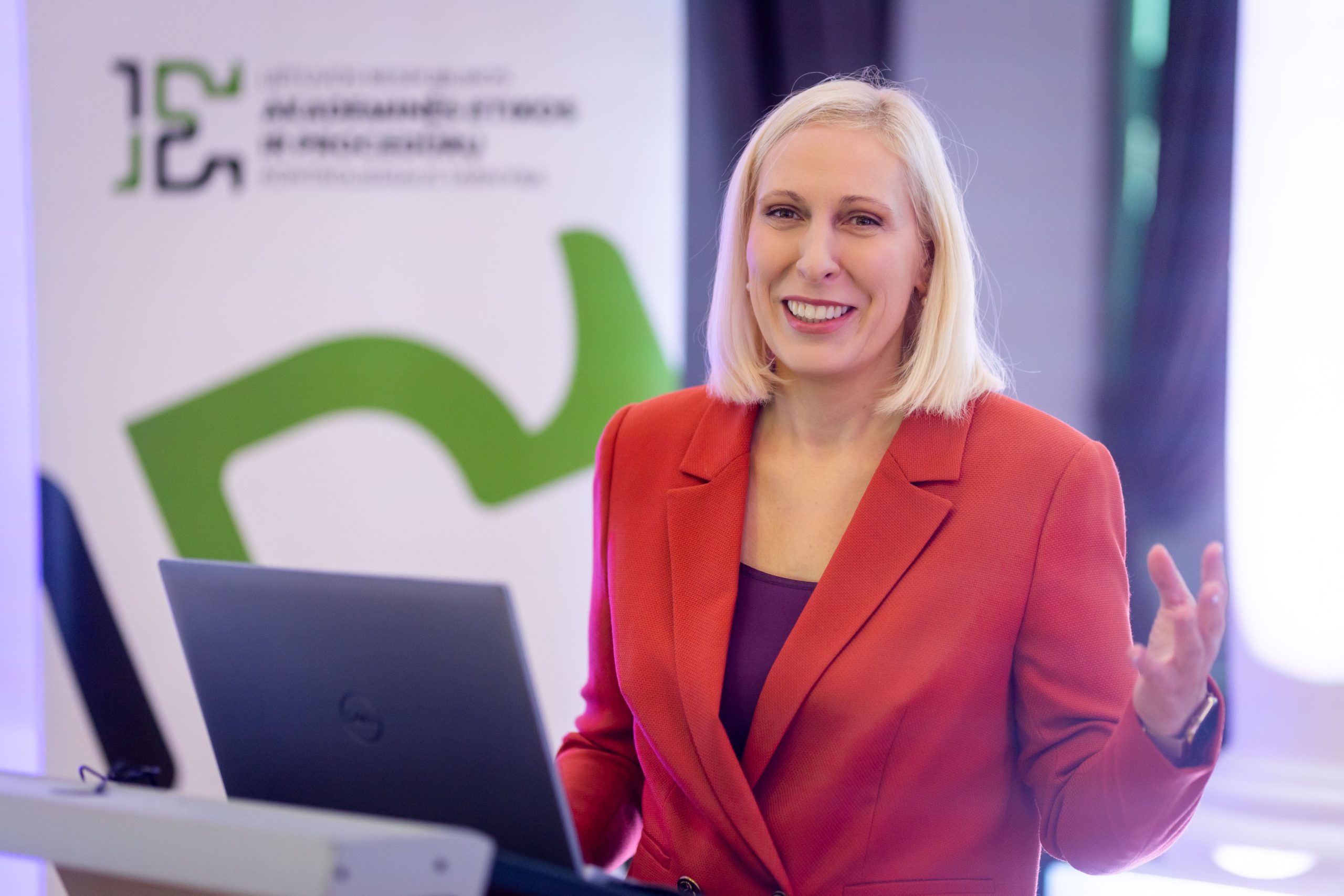
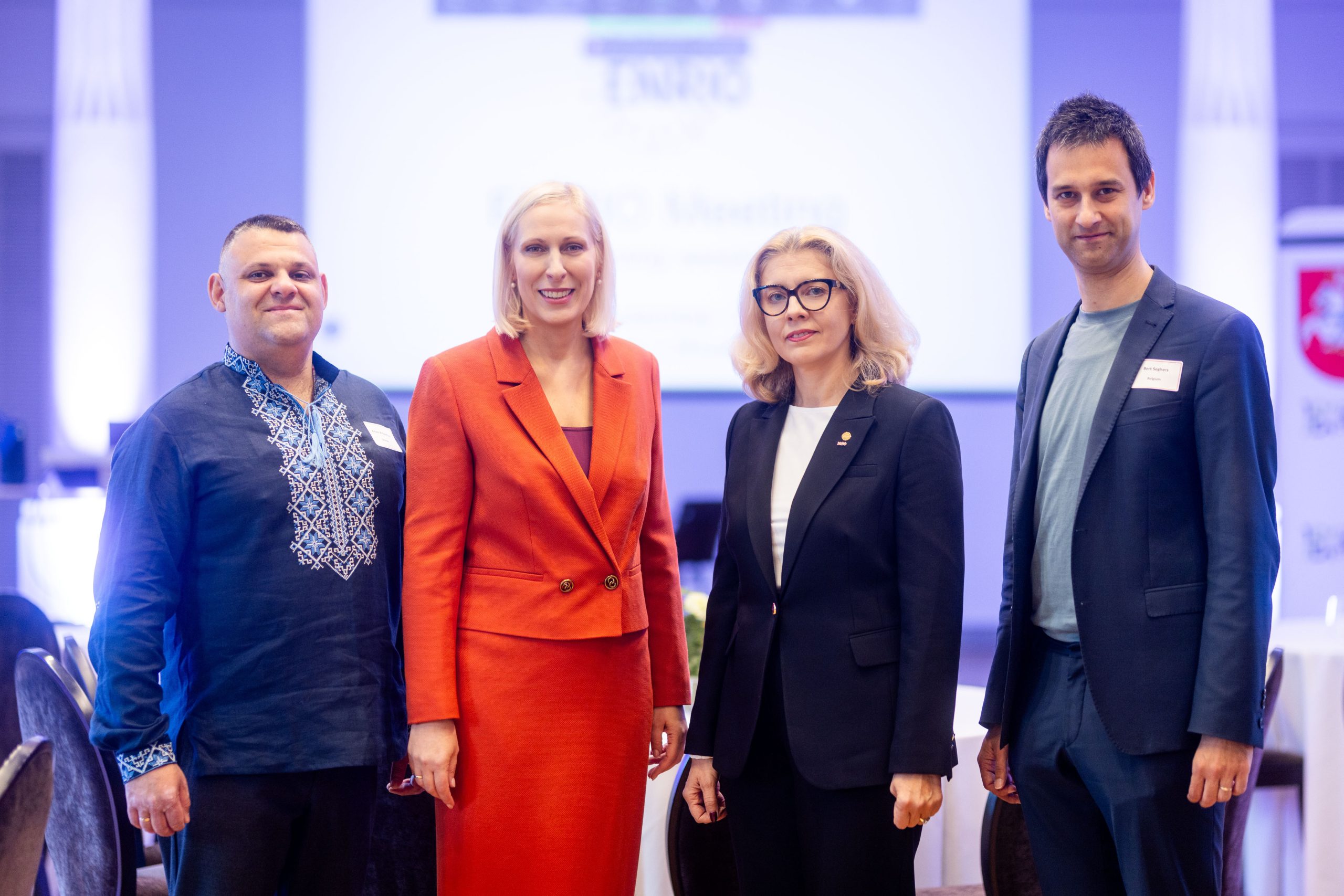
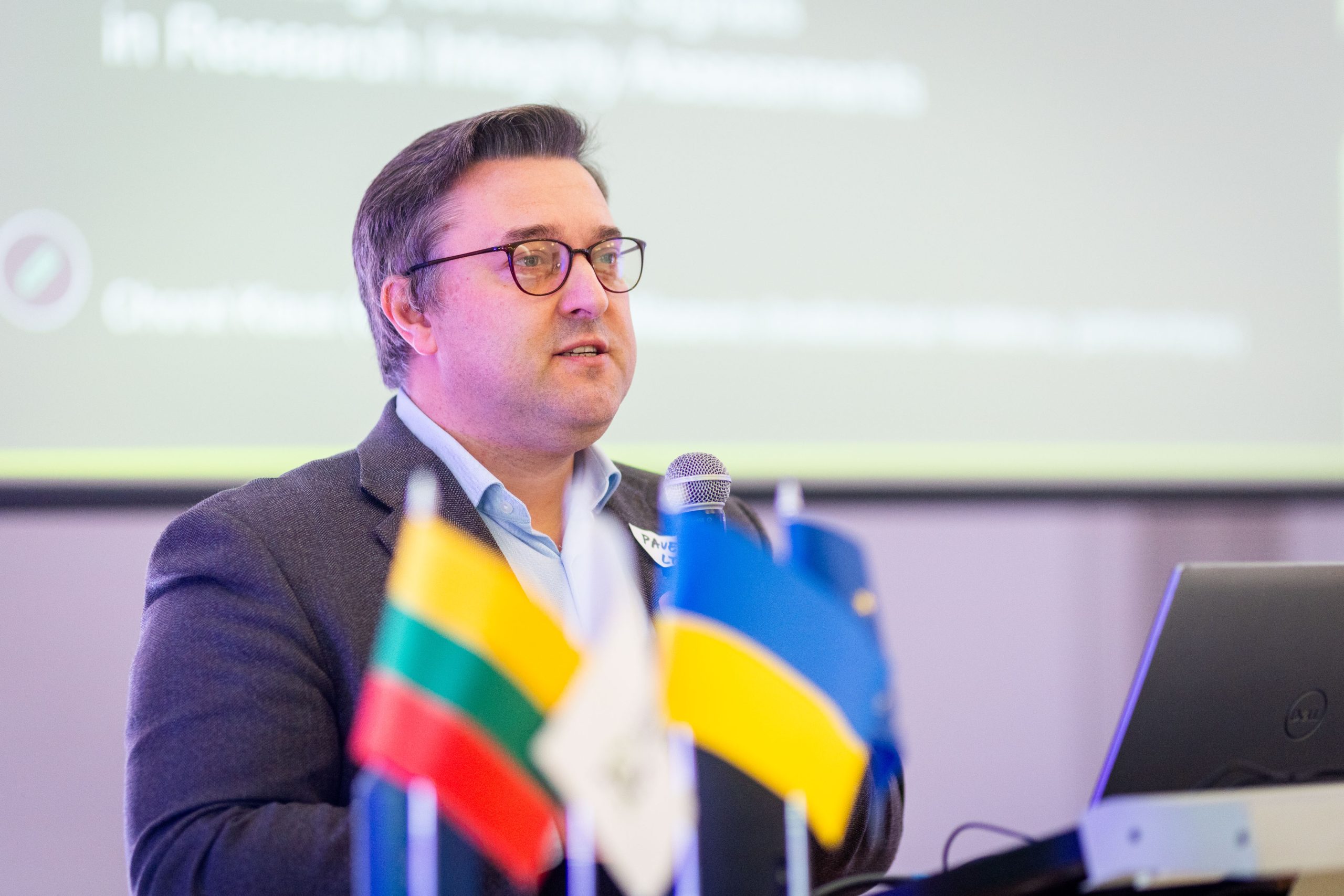
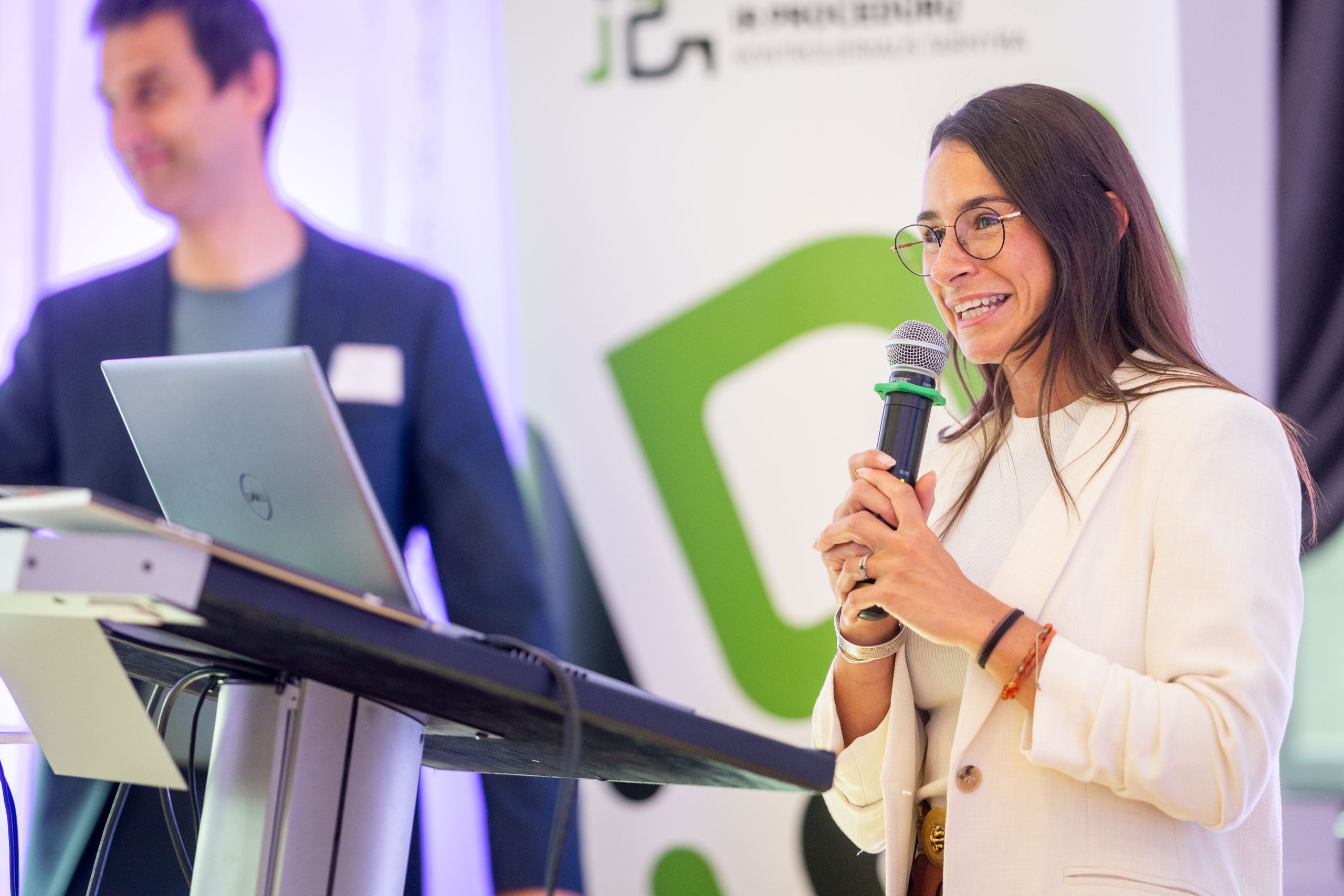
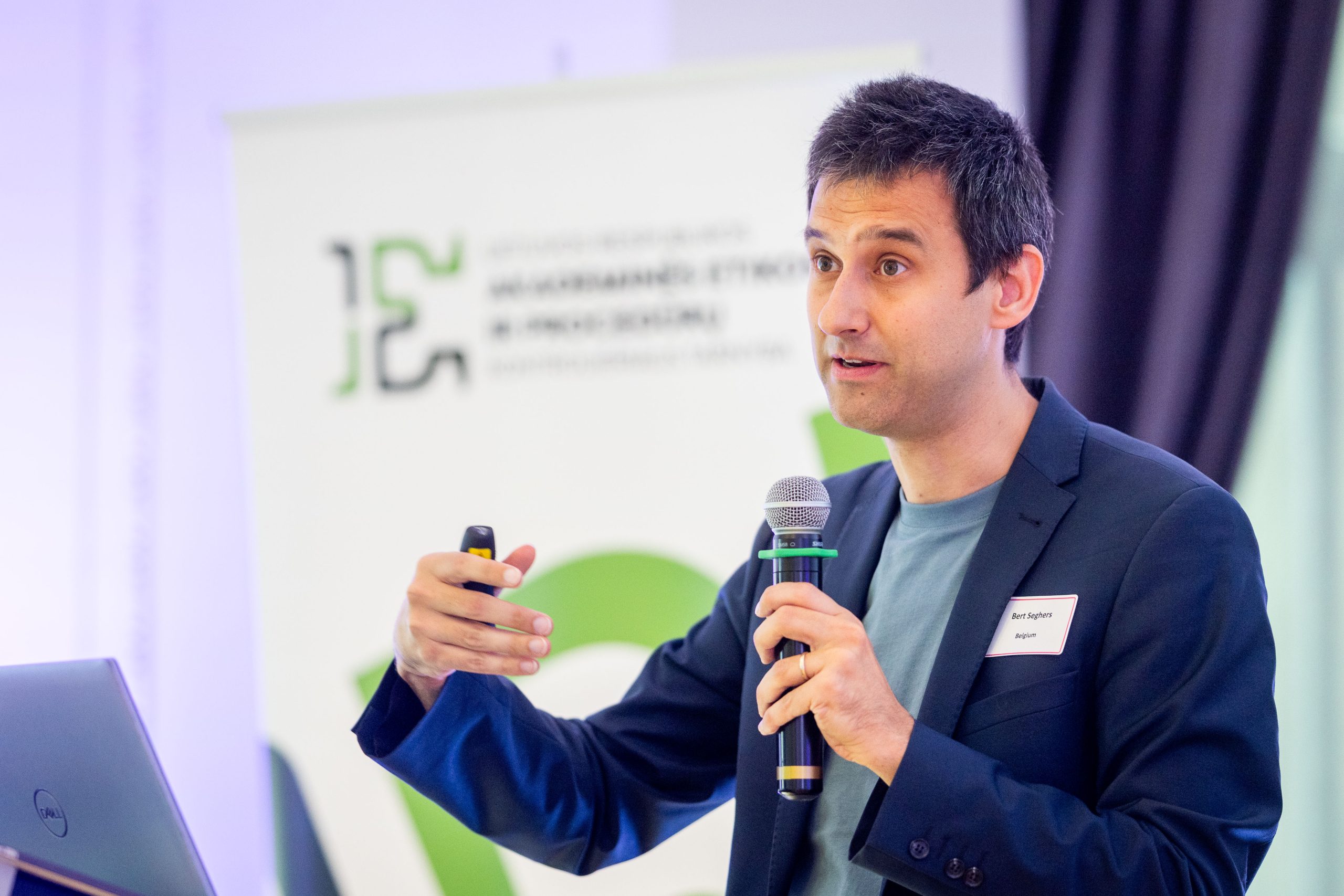
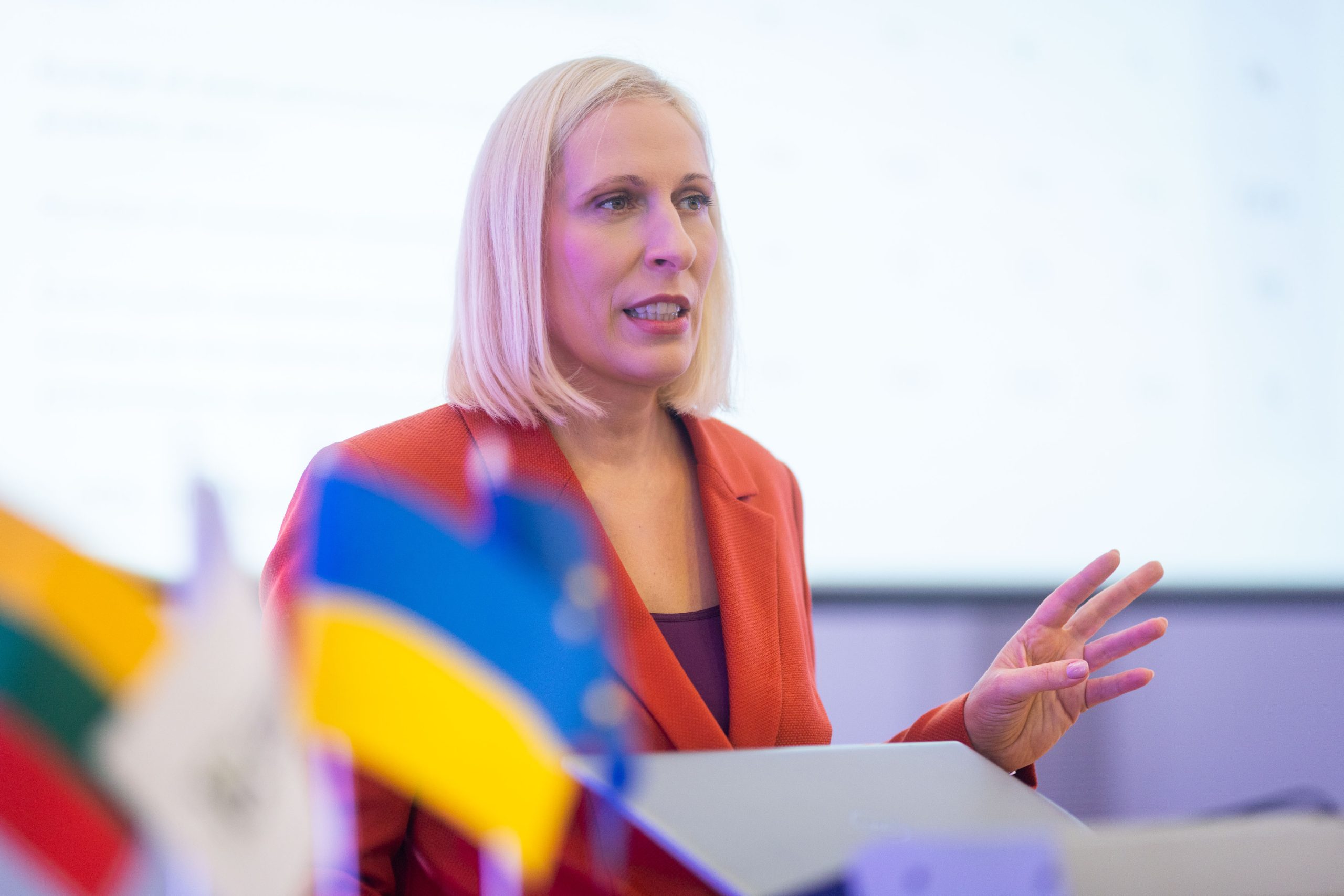
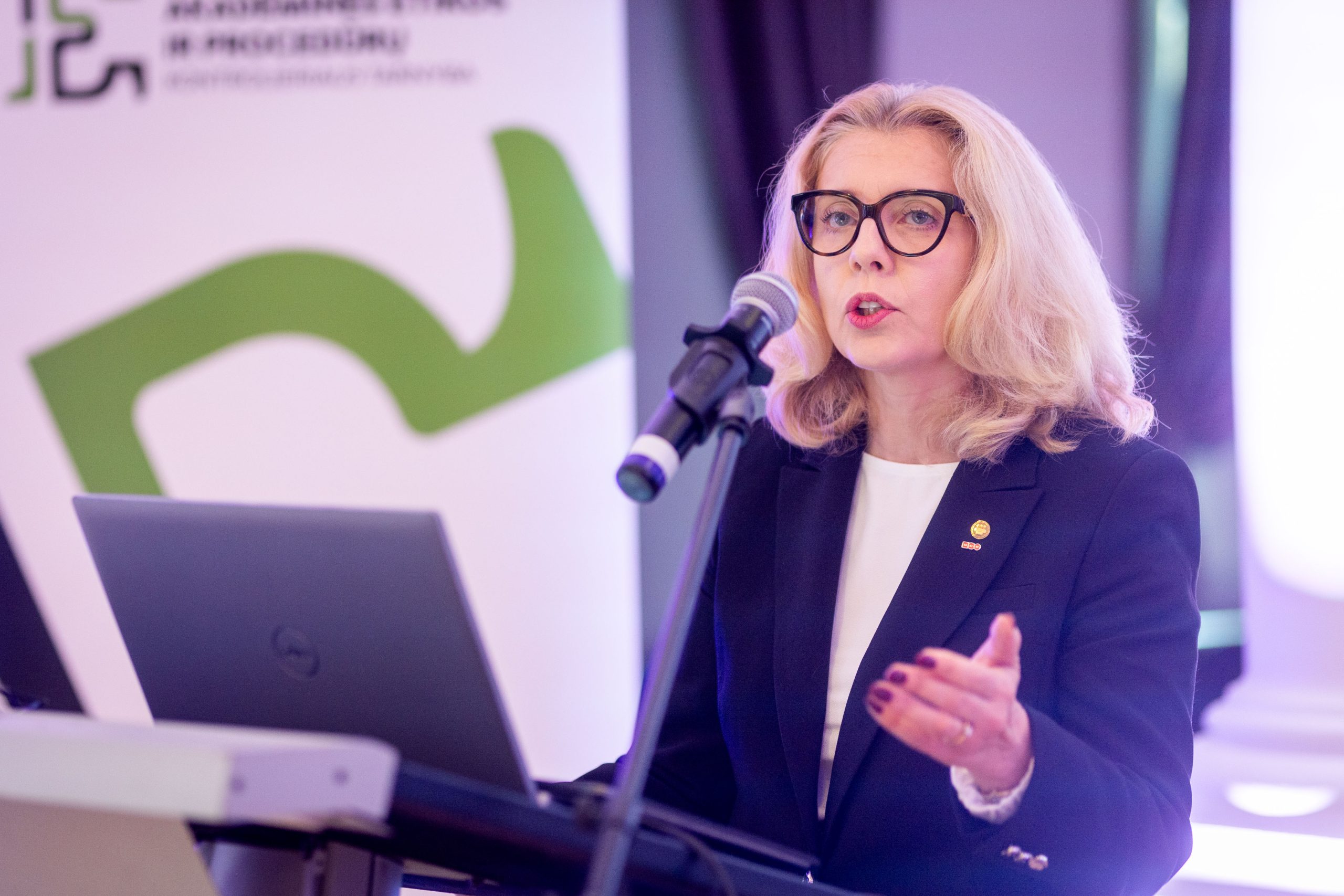
Participants were welcomed by Prof. Dr. Inga Žalėnienė, President of the Lithuanian University Rectors’ Conference, Bert Seghers, President of ENRIO, and Dr. Reda Cimmperman, Ombudsperson for Academic Ethics and Procedures.
When research authorship becomes a commodity
One of the main topics of the meeting was so-called paper mills. These sell research manuscripts or places on their author lists, and such publications may contain fabricated data.
This problem extends beyond the academic community. Unreliable findings may be used in further research, public policy decisions or treatment recommendations. Purchased authorship also distorts the assessment of researchers’ achievements and gives an unfair advantage when competing for jobs or funding.
In his remarks, ENRIO President Bert Seghers clearly explained why cooperation between research institutions, publishers, research funders and policymakers is essential to address this problem. Participants discussed joint action by the network to help identify such activities and reduce incentives to use these services.
Suspicion is not proof of misconduct
How should work be assessed when there are suspicions of plagiarism or inappropriate AI use? During a practical discussion, representatives of Identific emphasised that a text similarity percentage, an AI detection result or a document’s creation date alone is not sufficient to draw conclusions.
Different types of evidence must be considered together: text similarities, including across languages, the reliability of sources, authorship, the document’s revision history and records that help explain how the work was carried out. For example, a PDF file created shortly before submission does not necessarily mean that the entire work was written at the last minute. The date may simply indicate when the final version was saved.
“In the AI era, the question is no longer simply whether a student or researcher used AI. It is much more important to understand how it was used, whether this complies with the institution’s rules and whether the author can explain and substantiate their working process. Academic integrity must be assessed on the basis of evidence, rather than solely on a probability generated by technology,” says Chorst Klaus, founder of Identific.
When assessing allegations, it is essential to hear the author’s explanations, verify the circumstances and consult experts. This helps identify breaches of academic ethics and protect people who work honestly from unfounded accusations.
Participants also considered how the use of AI tools in preparing research work should be disclosed, discussed the links between research security and research integrity, and examined ENRIO’s contribution to updating the European Code of Conduct for Research Integrity. Plans were presented to develop a training resource together with the publisher Springer Nature to help institutions investigate allegations of breaches of academic ethics more consistently and effectively.
Experience from other countries helps address problems in Lithuania
The meeting provided an opportunity to present Lithuania’s experience and discuss challenges faced in other countries. Dr. Reda Cimmperman, Ombudsperson for Academic Ethics and Procedures, introduced participants to the current state of research ethics in Lithuania and presented the findings of the Office’s study, “Responsible Research Barometer 2026”. The Office has been involved in ENRIO’s activities since 2019 and hosted a meeting of the network’s members in Lithuania for the first time this year.
“When dealing with complex academic ethics cases, we often face the same questions as our colleagues in other countries. It is therefore very important to have people we can consult, share experiences with and work alongside to find solutions. We are pleased to have welcomed our ENRIO colleagues to Lithuania for the first time this year. We want these meetings to bring practical benefits and help us learn from other countries’ experiences so that we can better address the problems faced by our higher education and research institutions,” said Dr. Cimmperman.
Over the two days, network members presented developments in their countries and shared their experiences of investigating complex academic ethics cases. They discussed the activities of ENRIO’s working groups and the network’s future direction, and held a General Assembly.
Established in 2008, ENRIO brings together 27 members from 21 European countries and works to strengthen research integrity across Europe. The network encourages the exchange of information, experience and good practice, helps improve the investigation of allegations of breaches of academic ethics, and organises training. For Lithuania, this cooperation offers an opportunity to draw on other countries’ experience when addressing national issues and to contribute to joint solutions.
The next in-person meeting of ENRIO members will take place in Lisbon, Portugal, in spring 2027. Lithuanian representatives will also attend. Bert Seghers also highlighted the network members’ wish to return to Vilnius.
“It was an honour for ENRIO to be welcomed to Vilnius. Many of our members look forward to returning when the Office hosts another meeting during Lithuania’s Presidency of the Council of the European Union in 2027,” said ENRIO President Bert Seghers.
https://www.15min.lt/verslas/naujiena/bns-spaudos-centras/lietuvoje-pirma-karta-ivyko-europos-moksliniu-tyrimu-saziningumo-tarnybu-tinklo-nariu-susitikimas-539177
 |
 |
 |
 |
 |
 |
 |
 |
 |
 |
 |
 |
 |
 |
 |
 |
 |
 |
 |
 |
Photographer Irmantas Gelūnas